Anyone trying to learn how to buy cheap health products is usually looking for something simple: lower prices without lower standards.
The safest answers to how to buy cheap health products are not built around shortcuts, miracle deals, or suspicious websites.


They are built around value, evidence, and trusted sellers. That matters because cheaper health products can be a smart choice, but only when price savings do not come at the expense of quality, safety, or proper use.
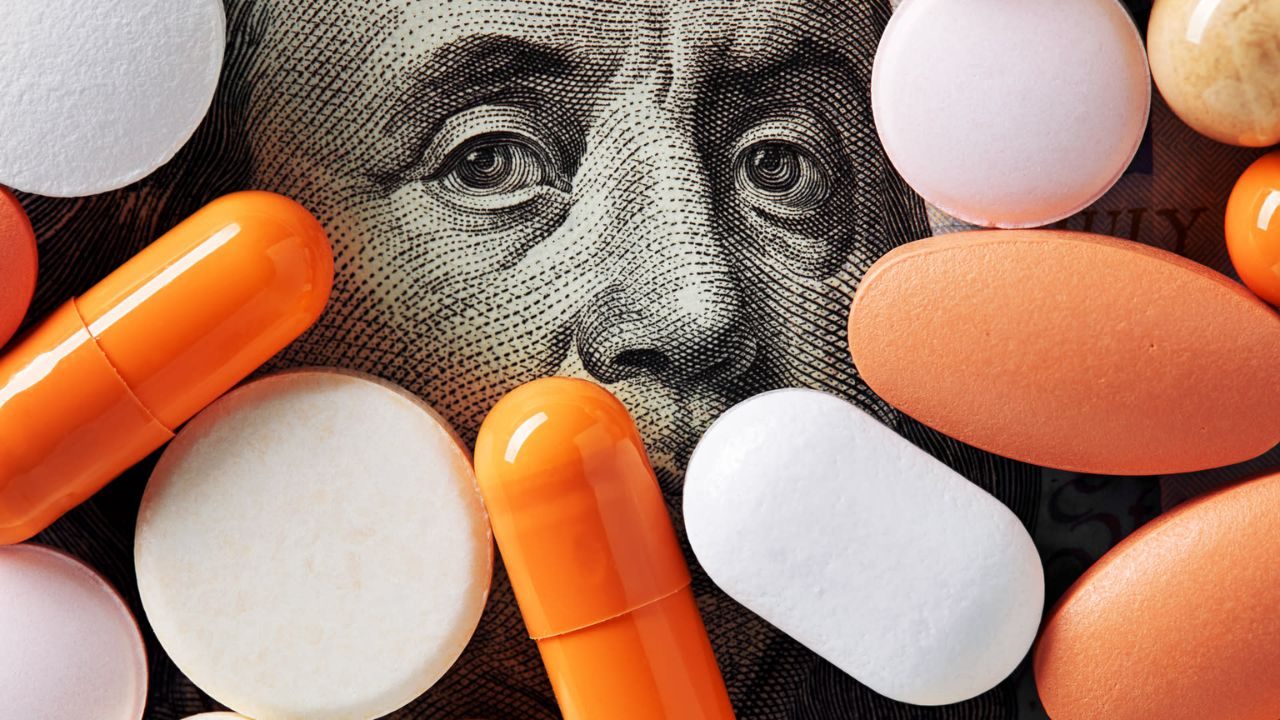
Why “Cheap” Is Not The Same As “Low Quality” In Health Shopping
A cheap health product is only a good buy when it still does the job it is supposed to do.
In health shopping, low price alone is a weak signal because some products are cheaper for good reasons, while others are cheaper because corners were cut somewhere that matters.
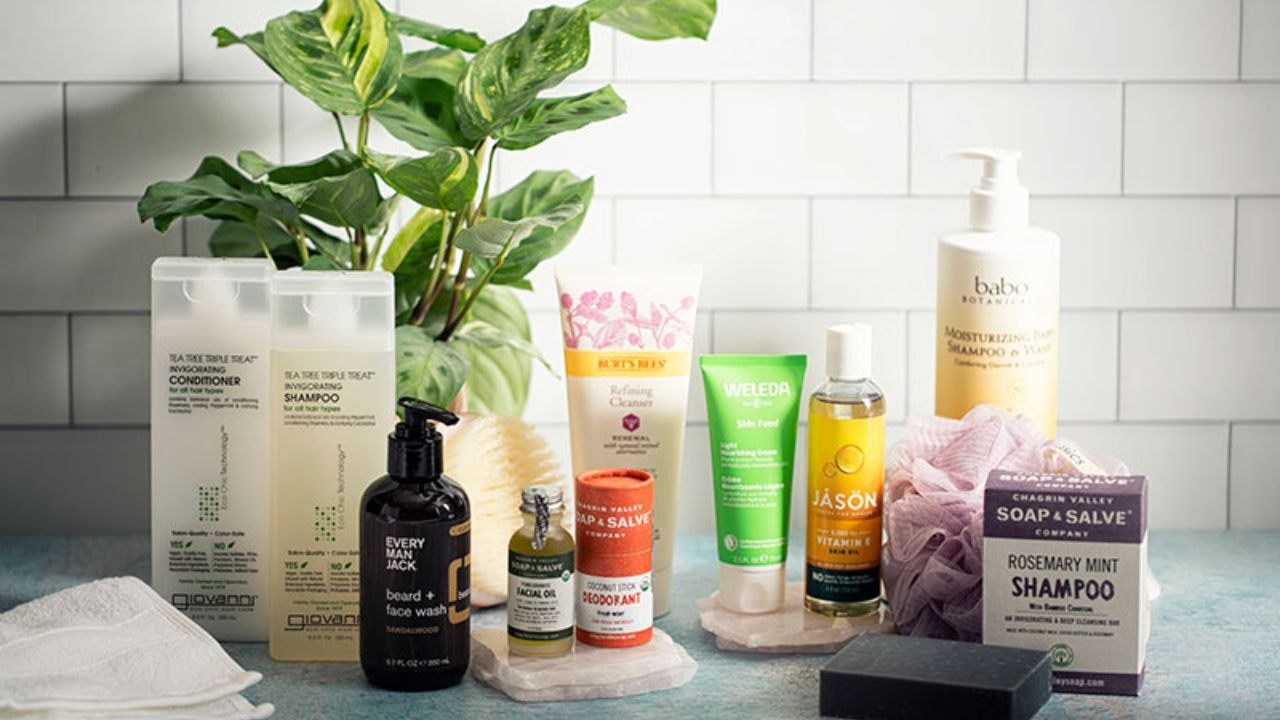
The smarter way to think about affordability is to ask whether the product is appropriately regulated, clearly labeled, and suited to the need you are trying to address. That shifts the focus from bargain hunting to value.
Why A Low Price Can Mislead You In Both Directions
A lower price does not automatically mean a worse product, but it also does not prove a product is a smart purchase.
The FDA says approved generic drugs match brand-name versions in dosage form, safety, strength, route of administration, quality, performance characteristics, and intended use.
At the same time, the WHO warns that products from unauthorized sources can be substandard or falsified. That means cheap can signal efficiency, but it can also signal risk when the seller or product quality is unclear.
What Real Value Looks Like When Health Is Involved
Real value in health shopping usually comes from products that are appropriately regulated, easy to verify, and priced lower for legitimate reasons such as generic competition or store-brand positioning.
The FDA explains that generic medicines work the same way clinically as brand-name medicines, and consumer health guidance from pharmacy and public health sources consistently supports comparing active ingredients, strength, and dosage rather than packaging or branding alone.
In practice, value means paying less without giving up expected quality or safe use.
Why Generic And Store-Brand Products Deserve A Closer Look
One of the most reliable ways to spend less on health products is to stop assuming that the better-known brand is automatically the better choice.
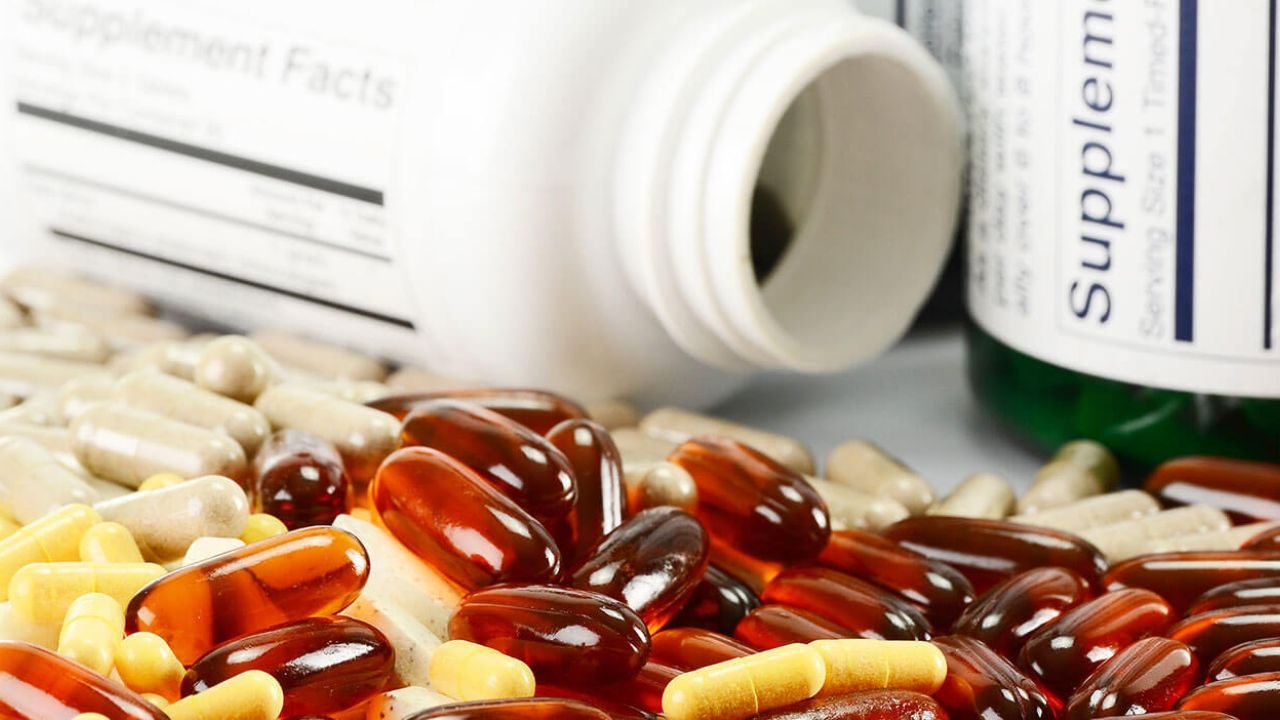
In many cases, the biggest savings come from choosing generic medicines or store-brand products that contain the same active ingredients and are intended to work in the same way.
That matters because the easiest way to overspend is to pay for familiarity when the regulated alternative is already good enough.
How Generic Medicines Earn Consumer Trust
The FDA states that approved generic medicines are the same as brand-name medicines in the areas that matter most for clinical use, including safety, strength, quality, and intended use.
That is why generics are one of the clearest examples of how buying cheaper can still be rational in health shopping.
Lower prices in this category usually reflect competition and development costs rather than lower effectiveness. For consumers, that means a generic can often be the smartest place to save first.
Why Store Brands Can Be Smarter Than Familiar Labels
The same logic often applies to store-brand over-the-counter products.
Consumer and pharmacy guidance commonly recommends checking the active ingredient, strength, and dosage instructions before deciding whether the higher-priced branded version is really offering anything meaningfully different.
When those details match, a lower-cost store brand can represent the same intended use at a better price. That does not mean every cheap product is equal, but it does mean familiar labels are often a weaker reason to pay more than many shoppers assume.
Why The Seller Matters As Much As The Product
Knowing where to buy health products is almost as important as knowing what to buy. A cheaper product from a licensed pharmacy or regulated retailer can be a sensible choice. The same-looking product from an unverified online seller can be a much riskier one.

Public health and consumer authorities repeatedly stress that the safety of the buying channel matters because counterfeit, falsified, or substandard products are more likely to appear in places that operate outside proper oversight.
Why Pharmacists Often Help You Save More Safely
Pharmacists remain one of the most useful resources for buyers who want lower prices without bad decisions.
NHS guidance encourages people to speak to a pharmacist for advice on medicines and minor health concerns, and pharmacist advice can often help compare generic and branded options, explain dosage differences, and flag products that are unnecessary or unsuitable.
That makes pharmacists especially valuable when the choice is not just between two prices, but between two products that appear similar while carrying different risks or expectations.
Why Online Convenience Can Also Increase Risk
Online buying can widen access and lower prices, but it also changes the risk profile. The NHS says people buying medicines online should use registered pharmacies, and the FDA and WHO both warn about illegal online pharmacies and unauthorized sellers.
These sellers may offer prescription medicines without proper checks, promote products with unrealistic claims, or provide falsified items that look legitimate at first glance.
That means lower prices online should only be trusted when the seller itself can be trusted.
The Best Websites To Check Before You Buy
When you are trying to spend less in Brazil, the safest websites are often the ones that help you verify products and sellers before you buy.

That matters because lower prices can be legitimate when they come from approved generics, public programs, or regulated pharmacies, but they can become risky when they come from unauthorized channels.
In Brazil, the smarter route is to combine official health sources, pharmacy search tools, and product verification pages instead of trusting the cheapest-looking offer first.
Why Farmácia Popular Can Be A Powerful Starting Point
One of the most useful starting points in Brazil is the official Farmácia Popular, information from the Ministry of Health.
The government says the program provides free access to a list of medicines and health items for several conditions, and since February 14, 2025, it has offered 100% of the medicines and supplies in its list free of charge to the population.
For people looking for cheaper options, that makes Farmácia Popular one of the strongest practical examples of how to lower health costs without lowering standards.
How Anvisa Helps You Verify What You Are Buying
Another smart step is using Anvisa resources before buying.
Anvisa explains that generic medicines help reduce prices and increase access to medicines that are safe, effective, and of quality, and it also tells consumers to use its consultation pages to check whether a medicine is regularized.
For buyers in Brazil, that makes Anvisa useful both for confirming that a cheaper generic is legitimate and for avoiding suspicious products sold outside proper regulation.
The Cheap Health Products That Deserve More Skepticism
Not every health category deserves the same level of trust just because the packaging looks convincing or the price looks attractive.

Some lower-cost products are sensible substitutes. Others deserve more caution because claims are harder to verify, regulation is weaker, or the product category is especially prone to exaggeration.
This is where many shoppers make the biggest mistakes. They assume the cheapest option is harmless to try, when in fact the real cost may come later through wasted money, false confidence, or delayed proper care.
Why Supplements And Bold Claims Need More Caution
Supplements deserve particular care because price and confidence often have little connection to evidence.
The FDA notes that dietary supplements are not approved for safety and effectiveness before they are marketed in the same way medicines are, and the FTC regularly warns against products marketed with exaggerated or unsupported health promises.
That means low-cost supplements can be poor value not only because they may be ineffective, but because they are often sold through claims that sound stronger than the evidence behind them.
Why Fake Bargains Often Look Convincing At First
Unsafe products rarely present themselves as unsafe. They look like discounts, secret deals, imported alternatives, or wellness shortcuts.
The WHO warns that falsified and substandard medical products are more likely to circulate through unauthorized channels, and the FDA warns that fake online pharmacies often use unusually low prices and easy access as selling points.
That means one of the strongest red flags in health shopping is not just a bold claim, but fake bargains that seem detached from how legitimate products are usually sold.
How To Spend Less Without Making Worse Health Decisions
Saving money on health products works best when it follows a process instead of a guess.
The most reliable strategy is to compare the active ingredient, verify the seller, question dramatic claims, and ask for professional advice when the choice feels unclear.
That approach sounds less exciting than secret savings, but it is the one most likely to help you spend less without making a worse decision. Affordability works in health shopping when it is disciplined, not when it is impulsive.
When Asking A Professional Can Save You More
The right time to ask for help is often before you click buy.
The best advice encourages people to use pharmacists for support with medicines and minor health issues, and that is especially useful when symptoms may have more than one cause or when multiple products seem interchangeable.
Professional advice matters even more when a product claim sounds strong, a website looks unfamiliar, or the health issue is not minor. In those situations, saving money by guessing can end up costing more later.
How To Shop For Lower Prices Without Buying Blindly
The most dependable way to save is to choose cheaper products for the right reasons. Start with licensed pharmacies and trusted retailers.
Compare generics and store brands by active ingredient, strength, and dosage rather than by appearance. Be cautious with supplements and bold claims, especially online.
Treat very low prices as something to investigate, not automatically trust. That kind of approach does not promise the lowest sticker price every time, but it does make it much easier to save money without buying blindly.
Conclusion
The smartest way to buy cheap health products is to stop treating cheap as a category and start treating it as a question of value. Lower prices can be a very good sign when they come from approved generics, store brands, and trusted pharmacies.
They become a bad sign when they come from unauthorized sellers, unsupported claims, or products that look much better than the evidence behind them. In health shopping, the best bargain is not the lowest price.