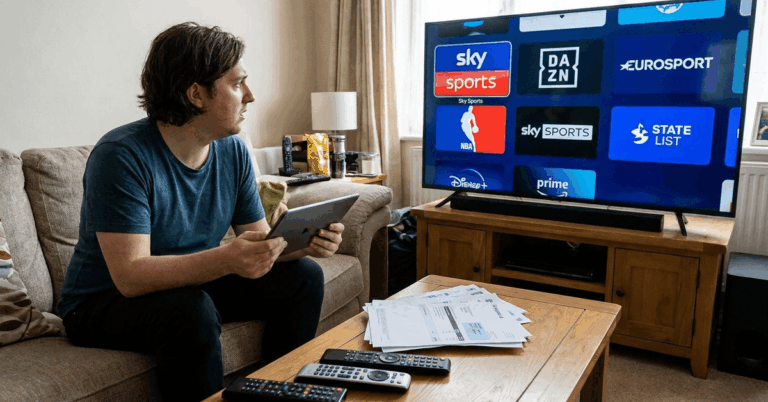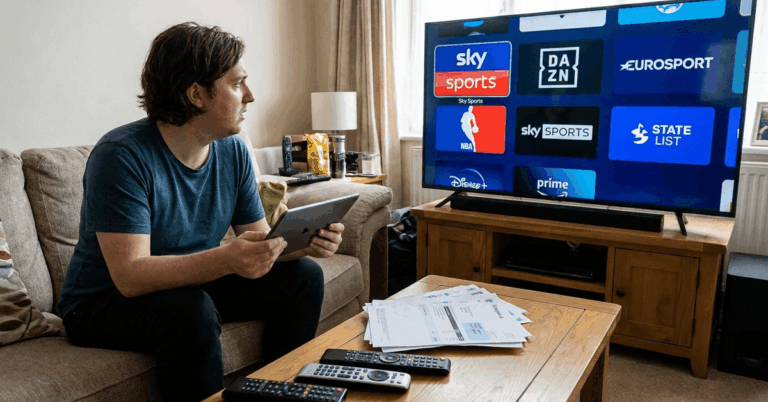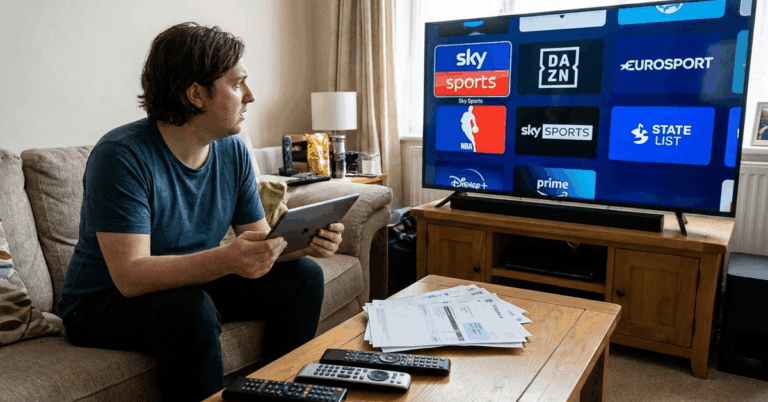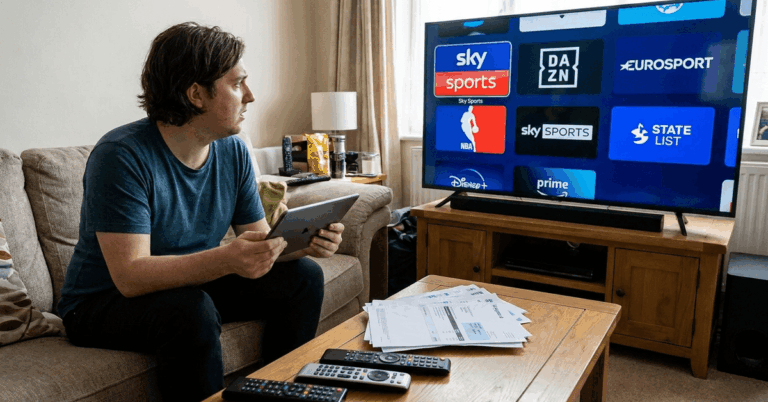
Paying for DAZN, Amazon Prime Video, and ESPN+ at the same time just to follow three leagues feels absurd. And yet, that’s the situation for anyone who watches football across borders.
The good news: legal free football streaming options exist in 2026. The bad news: almost nobody organizes them in a way that saves real money. This guide is for the multi-league fan spending too much on subscriptions. I want to break down where free streams live, which paid services are worth short-term commitments, and a rotation strategy that cuts annual costs.



Every option here is legal and safe. No shady pop-up sites, no pirated feeds, no malware surprises.
Where to Stream Football for Free Legally
A lot of fans assume every match sits behind a paywall. That’s not true. Free football coverage exists in multiple countries, and some of it comes straight from the leagues themselves.
Free-to-Air Football Broadcasts by Country
Several countries have broadcasting laws that require major tournament matches and cup finals to air on free-to-air television. These broadcasters often stream the same games online through their own platforms.
A few that consistently offer free online streams of select matches:
- BBC iPlayer (UK): Covers select FA Cup matches and major tournament games at no cost, though a free account registration is required
- ARD Mediathek and ZDF (Germany): Streams select Bundesliga matches and all major international tournaments for German viewers
- TF1 (France): Broadcasts French national team games and select European competition finals
- RTP (Portugal): Carries Portuguese league cup finals and national team fixtures online
- RAI Play (Italy): Airs select Serie A matches and Coppa Italia finals for free
Availability depends on location. Some of these platforms use geoblocking, so a match free in Germany might not be accessible from Spain. Always check the broadcaster’s site before a big game to confirm coverage in your country.
Official League and Club Streams on YouTube
This is the part that flies under the radar. Several leagues and clubs run their own free content channels, and the coverage goes beyond 30-second clips.
UEFA.tv streams full matches from youth competitions and select women’s football games at zero cost.
The UEFA Champions League, La Liga, and Premier League YouTube channels post extended highlights within minutes of the final whistle. These are not blurry fan uploads. They are high-quality, official feeds.
For fans who follow a specific club, many team websites now host post-match press conferences, behind-the-scenes content, and sometimes even full replays of friendlies.
The content varies by club, but checking your team’s official site or YouTube channel is free and takes two minutes.
Social Media Streams During Big Games
During major tournaments, leagues and broadcast partners sometimes stream full matches live on YouTube, Facebook, or X (formerly Twitter). These streams tend to be geoblocked by country, but when available, they are a completely safe alternative.
I would check La Liga’s and the Premier League’s official social accounts before any big matchday, since both have streamed free content directly on these platforms during past tournament windows.
Affordable Streaming When Free Isn’t an Option
Free options won’t cover every match. The Champions League knockout rounds, weekend Premier League fixtures, and Serie A derbies usually require a paid subscription. But “paid” doesn’t have to mean “expensive year-round commitment.”
Comparing Streaming Platforms for Football Fans in 2026
| Platform | Countries | Free Trial | Main Leagues Covered |
|---|---|---|---|
| DAZN | Germany, Spain, Italy | Varies by region | La Liga, Serie A, Bundesliga |
| Amazon Prime Video | Germany, UK | Yes | Premier League, Ligue 1 |
| ESPN+ | United States | 7 days | Eredivisie, Copa del Rey |
The takeaway: no single platform covers all major European leagues, so choosing based on which two or three leagues you care about most will save the most money.
Free Trials and One-Off Match Passes
Several streaming platforms offer free trial periods that range from 7 days to a full month. The smart play is timing these trials around tournaments or fixture-heavy stretches rather than activating them randomly.
Think about it this way. The Champions League group stage runs September through December. A well-timed free trial during a week with multiple matchdays gets more football per free day than activating one during an international break.
Some providers also sell pay-per-view or single-match passes.
These can be pricey on a per-game basis, but for fans who only want to watch a handful of matches per season, they beat monthly subscriptions. The math changes based on how many games matter to you each month.
Splitting Subscriptions Within Your Household
Some platforms allow household account sharing, which means family members or flatmates can split a single subscription cost.
This is a legitimate way to reduce costs, and platforms like DAZN and Amazon Prime Video have household plans designed for this.
A word of caution here: sharing logins with friends in different cities or countries often violates terms of service.
The risk ranges from temporary account locks to permanent bans. Read the terms of service on whichever platform you choose, because “household” has a specific definition that varies by provider.
The Subscription Rotation Calendar (This Is What Nobody Talks About)
I think the common advice to “just pick one all-in-one streaming service” ignores the reality that no single platform like DAZN or ESPN+ carries every league a multi-league fan cares about. The better approach is rotation.
European football seasons run roughly from August through May. But the fixture density is not even across those ten months.
September through December packs in Champions League group stages alongside domestic leagues. January tends to be quieter. February through April heats up again with knockout rounds and title races.
A subscription rotation strategy works like this. Subscribe to the platform that carries your top-priority league during its busiest months.
Cancel or pause during quieter stretches. Switch to a second platform when a different competition hits its peak.
Between paid months, free-to-air broadcasts and YouTube highlights fill the gaps.
The football calendar has natural slow periods built in: international breaks, winter pauses in the Bundesliga, mid-season gaps. These are the weeks where a paused subscription costs nothing.
This approach turns a potential €300 to €400 annual streaming bill into something closer to €100 to €150, depending on which platforms and how many months of active subscription you need.
The platforms themselves make this possible. Cancellation is instant on DAZN and Amazon Prime. No contracts lock you in. The only friction is remembering to cancel, which a calendar reminder fixes in 30 seconds.
Staying Safe While Streaming Football Online
Free and cheap streaming is only worth it if your devices and data stay protected. The wrong link during a Champions League semifinal can ruin a lot more than the match.
Red Flags on Sketchy Streaming Sites
Pirated football streams are everywhere, and they carry real risks. Malware, phishing attempts, and data harvesting are common on unauthorized sites. A few warning signs to watch for:
- Excessive pop-ups that open new tabs or windows the moment the page loads
- Strange domain names that mimic official broadcaster sites but use unusual extensions like .xyz or .stream
- Payment requests for “premium access” on sites that claimed to be free
- Mandatory browser extensions or software downloads before viewing
If a site asks for anything beyond an email address and a password, close the tab. Legitimate broadcasters and platforms do not require software installations to stream a football match.
Keeping Your Devices and Accounts Protected
Even on legitimate platforms, basic security habits make a difference. Keep your browser updated.
Run antivirus software that includes real-time web protection. And create a separate email address for streaming service signups if you plan to rotate through free trials, since this keeps your primary inbox clean and reduces phishing exposure.
Check Google’s Safe Browsing site status tool when a streaming link looks unfamiliar. It takes five seconds and can flag dangerous domains before they cause problems.
Tracking Broadcast Schedules Before the Season Starts
Leagues announce their broadcast partners and free-to-air match selections before each season begins. The Premier League publishes its TV schedule weeks in advance. The Bundesliga and La Liga do the same.
Subscribing to a league’s official newsletter or following their social media accounts gives early notice about which matches will air free.
This makes planning around free trials and subscription timing much easier, since the fixture calendar becomes a budgeting tool instead of a guessing game.
Questions People Ask About Watching Football Free
Q: Can I watch Champions League matches for free in 2026? Select Champions League matches air free-to-air in some countries, particularly during group stages. Check your national broadcaster’s schedule, because availability changes each matchday and varies by region.
Q: Is it legal to use a VPN to watch free football streams from another country? VPN use itself is legal in most countries, but accessing geoblocked content may violate a streaming platform’s terms of service. The risk is usually account suspension rather than legal trouble, though local laws differ.
Q: Are YouTube football highlights real or fan-uploaded clips? Official league channels on YouTube post licensed highlights directly. La Liga, the Premier League, and UEFA all run verified channels with high-quality clips uploaded within minutes of a match ending.
Q: How much can I save by rotating streaming subscriptions? A fan following two or three leagues could reduce annual spending from roughly €300 to €400 down to €100 to €150 by subscribing only during fixture-heavy months and cancelling during international breaks or off-season windows.
Q: Do free streaming platforms show ads during football matches? Free-to-air online streams from broadcasters like BBC iPlayer typically do not show mid-match ads, while ad-supported tiers on paid platforms like DAZN may include commercials during pre-match and half-time coverage.
Conclusion
Streaming football legally and cheaply in 2026 takes a plan, not a credit card for every platform. Free-to-air broadcasts and official league channels cover more matches than fans realize.
Rotating subscriptions around the football calendar turns ten months of spending into four or five. The smartest football fans in 2026 will treat their streaming budget like a transfer window: strategic, timed, and flexible.