Free Pet Food Samples – Claim Yours Today
Try top pet food brands before you commit to a full bag. Browse verified free sample offers for dogs and cats, updated regularly. Claim free samples You will be redirected to another website.That $75 bag of premium kibble your cat tried twice before abandoning it is the exact scenario free pet food samples were designed to prevent. One bad bag purchase stings.
Sampling gives real data before real money changes hands. A picky dog or a cat with food sensitivities will tell you in one meal what no ingredient list on a bag ever could.
The trouble is that online information about pet food samples tends to be outdated. Offer pages from 2023 still rank on Google, and plenty of those programs no longer exist in 2026.
This guide focuses on what’s current and practical, specifically for pet owners who want to test premium or specialty brands without committing to a full bag first.
Where Free Pet Food Samples Come From
The most obvious source is a brand’s own website. Several major pet food companies run sample request forms tied to loyalty programs or new product launches. What almost no article covers properly: your veterinarian’s office.
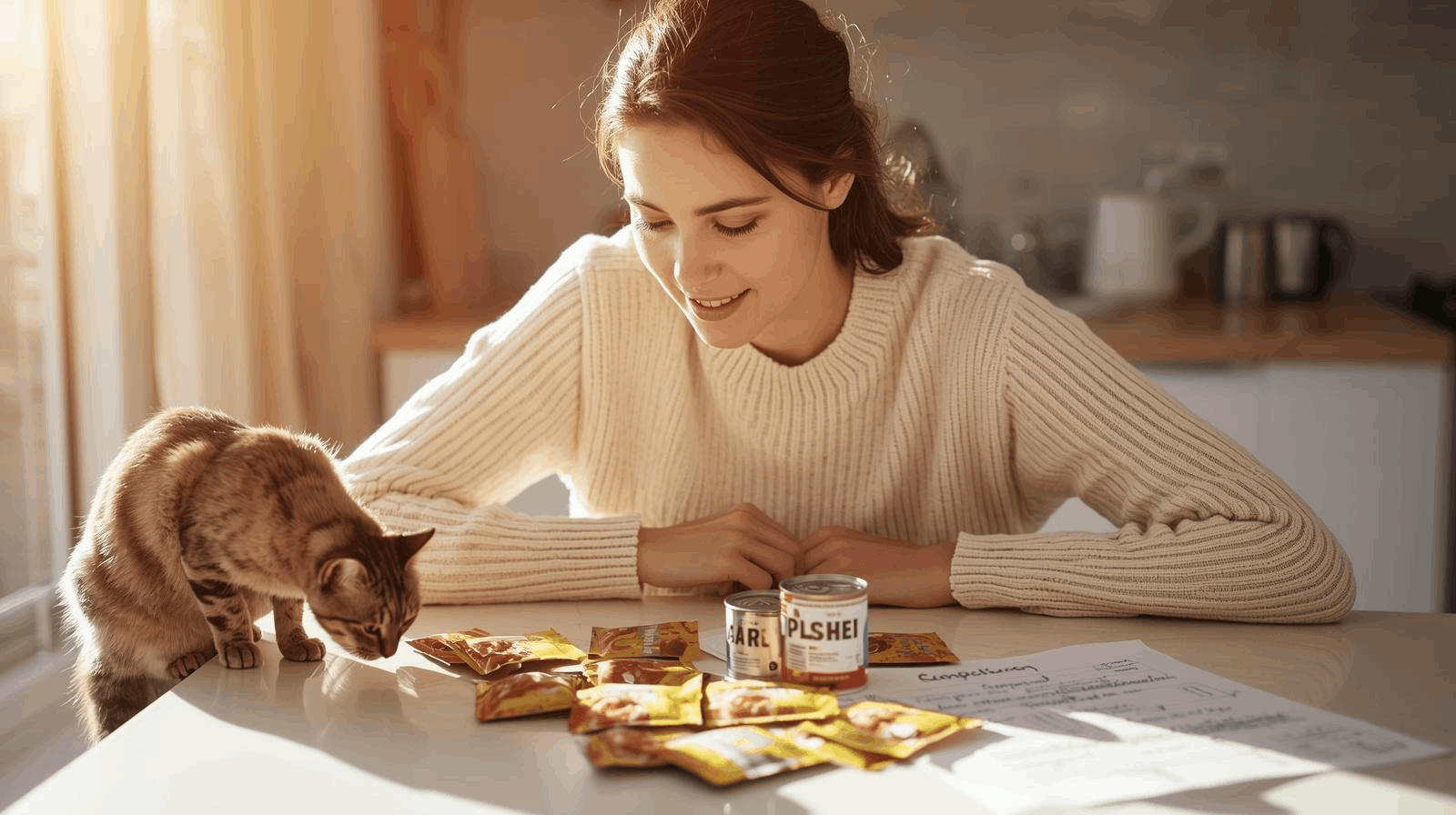
Vets receive promotional samples directly from manufacturers, particularly brands like Hill’s Science Diet and Royal Canin, because vet recommendations drive purchasing decisions in a way that no ad campaign can replicate. Manufacturers know this.
Those samples don’t always sit on a shelf where you can see them. Ask your vet specifically if they have trial pouches for any food you’re currently researching.
The samples that come through vet offices also tend to be fresher than what circulates through promotional channels.
Manufacturers send their newest formulations to clinics first, which means the vet route often gets you something more current than a brand’s general website offer.
Why Third-Party Sample Sites Waste More Time Than They Save
My take: skip generic sample aggregator websites entirely when looking for pet food samples, and go straight to Influenster’s verified campaigns or a brand’s official page instead.
Aggregator sites list offers that expired months ago, and the ones that do work typically funnel you into mailing lists for brands you’ve never heard of.
Influenster runs verified sampling campaigns with active consumer feedback requirements.
When a pet food campaign is live there, the samples are real and the offers are current. That’s a meaningful difference from a random “free stuff” directory where listings go unreviewed for a year.
Pet Expos and In-Store Events
Pet expos are consistently underrated for sample hunting. Brands like Blue Buffalo and Natural Balance hand out full trial pouches at events rather than single-serving teasers.
A local adoption day or a specialty pet retailer event can produce two or three samples in a single afternoon.
The trick is calling ahead. Stores rarely advertise that they have sample packets sitting at the register, but they’ll tell you if you ask directly. That one phone call saves a wasted trip.
Which Pet Food Brands Have Active Sample Programs in 2026
Not every brand runs a consistent sample program. Some are seasonal; others tie sample availability to new product launches. The table below covers the brands with known programs as of 2026.
| Brand | Sample Source | Format |
|---|---|---|
| Royal Canin | Vet offices and breeders | Breed-specific trial pouches |
| Hill’s Science Diet | Vet clinics and brand website | Single-serving trial bags |
| Purina | Brand website (seasonal) | Line-specific sample packs |
| Blue Buffalo | In-store events | Trial pouches |
| Orijen | Specialty pet stores | High-protein trial packets |
| Ziwi Peak | Independent retailers | Air-dried recipe samples |
| Merrick | Promotional email sign-ups | Small pouches |
Availability shifts with product cycles, so bookmark the brand’s official page rather than trusting a third-party list that may not have been updated since last year.
Boutique Brands Tend to Be More Generous
Smaller brands like Orijen and Ziwi Peak are often more willing to hand out samples than the household names. Their goal is conversion, and they know that anyone who tries a premium air-dried recipe has a high chance of buying a full bag.
I think sampling is almost mandatory for Ziwi Peak specifically, given how far its price point sits above standard kibble at specialty pet retailers. Committing to a full bag without testing first is a real financial gamble on any premium product.
Orijen takes a similar approach, partnering with specialty stores to hand out high-protein trial packets rather than running generic mail campaigns.
If you live near an independent pet retailer, ask whether they carry Orijen and whether samples are available.
How the Purina and Hill’s Science Diet Programs Work
Purina’s website runs time-limited sample campaigns for specific product lines. The campaigns are not permanent, so timing matters. Check the Purina website during new product launch windows, which historically cluster in late winter and early spring.
Hill’s Science Diet distributes primarily through vet clinics because their prescription diet lines target specific medical conditions.
If your dog has a kidney issue or chronic digestive problems, the clinic route is far more relevant than the brand’s general website.
How to Use a Sample Without Wasting It
Getting a sample is one step. Using it without creating a digestive mess is another. Two things matter before your pet eats anything new.
Promotional samples sometimes carry shorter shelf lives than retail stock because they’ve been sitting in a distribution warehouse longer. Check the date stamped on the package before feeding.
A sample that expired two months ago tells you nothing useful about how your pet will respond to the formula.
Then check the ingredient list against what your pet currently eats. If your dog has a chicken sensitivity and the sample is chicken-based, no amount of “free” makes the aftermath worth it.
Things to verify before feeding any sample:
- Expiration date stamped on the packaging
- Primary protein source (chicken, beef, fish, or lamb)
- Grain-free status if your pet has sensitivities
- Calorie density if you’re managing your pet’s weight
How to Transition Food Using a Sample
A single sample pouch is not enough to complete a full food transition, but it’s enough to test tolerance. If your pet eats the sample and shows no digestive reaction over 24 hours, that’s a useful signal to move forward with a larger purchase.
Feed the sample alongside your pet’s current food rather than replacing a full meal. A 75/25 split, current food to new food, on the first day gives you a cleaner read on whether the new formula is causing any issues.
Jumping straight to 100% new food is how owners end up cleaning carpets at midnight.
Do Free Pet Food Samples Come With Coupons
Often, yes. Brands regularly bundle a discount code or printed coupon with sample requests, particularly when the sample is part of a first-purchase promotion.
Royal Canin and Hill’s Science Diet both have a history of pairing physical samples with vouchers for full-size bags.
Loyalty programs sometimes layer on top of that. Purina’s loyalty program accumulates points through sample requests that apply toward future purchases.
For a multi-pet household, those points add up faster than you’d expect over several months of sampling different product lines.
When Samples Are Part of a Subscription Trap
Some brands use sample requests as an entry point into an auto-ship subscription. Read the fine print before submitting your mailing address.
A few operations send a “free” sample and then charge for a full subscription 30 days later unless you cancel explicitly.
This isn’t the norm, but it happens often enough to read terms carefully. If the sample request page asks for credit card details upfront, close the tab. A legitimate free sample does not need your payment information.
Questions People Ask About Free Pet Food Samples
Q: Do free pet food samples expire faster than store-bought food? Yes, and it matters more than people expect. Promotional samples sometimes sit in distribution warehouses longer than retail stock, which tightens the expiration window. Always check the date stamped on the packaging before feeding it to your pet.
Q: Can I request samples for multiple pets at the same address? Most brands limit requests to one per household, but if you have a dog and a cat, you can often request from both the dog and cat food lines separately since they’re different product categories. Different species, different forms.
Q: Are free samples available for pets on prescription diets? Royal Canin and Hill’s Science Diet both have prescription diet lines, and samples for those products generally come through veterinary clinics rather than online request forms. Talk to your vet directly rather than searching the brand’s website.
Q: Is it safe to feed a sample from a brand I’ve never heard of? Stick to brands sold through established pet retailers or distributed through veterinary offices. If a sample arrives from a brand with no verifiable retail presence anywhere, hold off until you can confirm the manufacturer’s background.
Q: Do pet food sample programs cover exotic animals? The vast majority of sample programs target dogs and cats. A few specialty brands offer trial portions for small animals, but bird and reptile food sampling is rare. Specialty pet stores are the better starting point for anyone feeding an exotic animal.
Conclusion
Free pet food samples give you the clearest signal possible before spending money on a full bag. Your vet’s office and official brand websites remain the two most reliable places to start.
Skip the generic sample aggregator sites entirely; they rarely list anything current or worth pursuing. The best pet food for any animal is ultimately the one they will choose to eat.