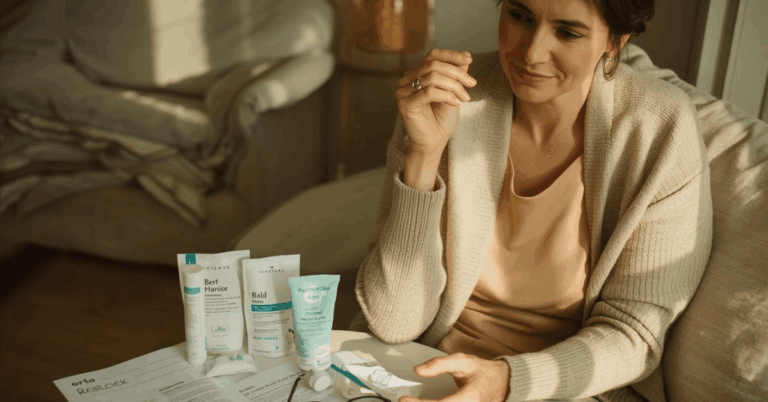
Anyone trying to learn how to buy cheap beauty products is usually looking for something simple: lower prices without lower standards.
The safest answers to how to buy cheap beauty products are not built around miracle deals, suspicious sellers, or packaging that looks expensive enough to feel reassuring. They are built around value, regulation, and smarter comparison.



That matters because in Brazil, cheaper beauty products can be a very good buy, but only when lower cost still comes with product regularization, trustworthy retail channels, and realistic expectations.
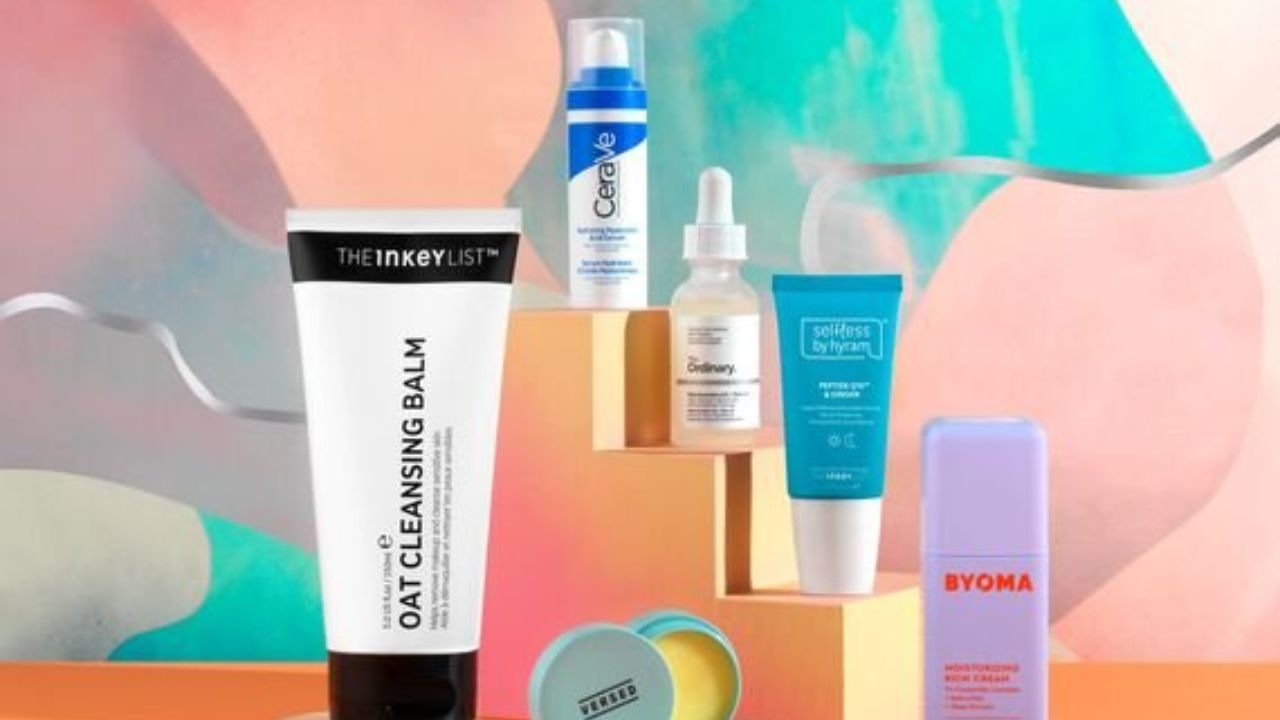
Cheap Should Never Feel Questionable
A cheap beauty product is only a smart buy when it still performs the function it promises within the rules that protect the buyer.
In beauty shopping, price alone is a weak signal because some products cost less for rational reasons, while others cost less because quality control, regulatory compliance, or seller credibility is weaker.
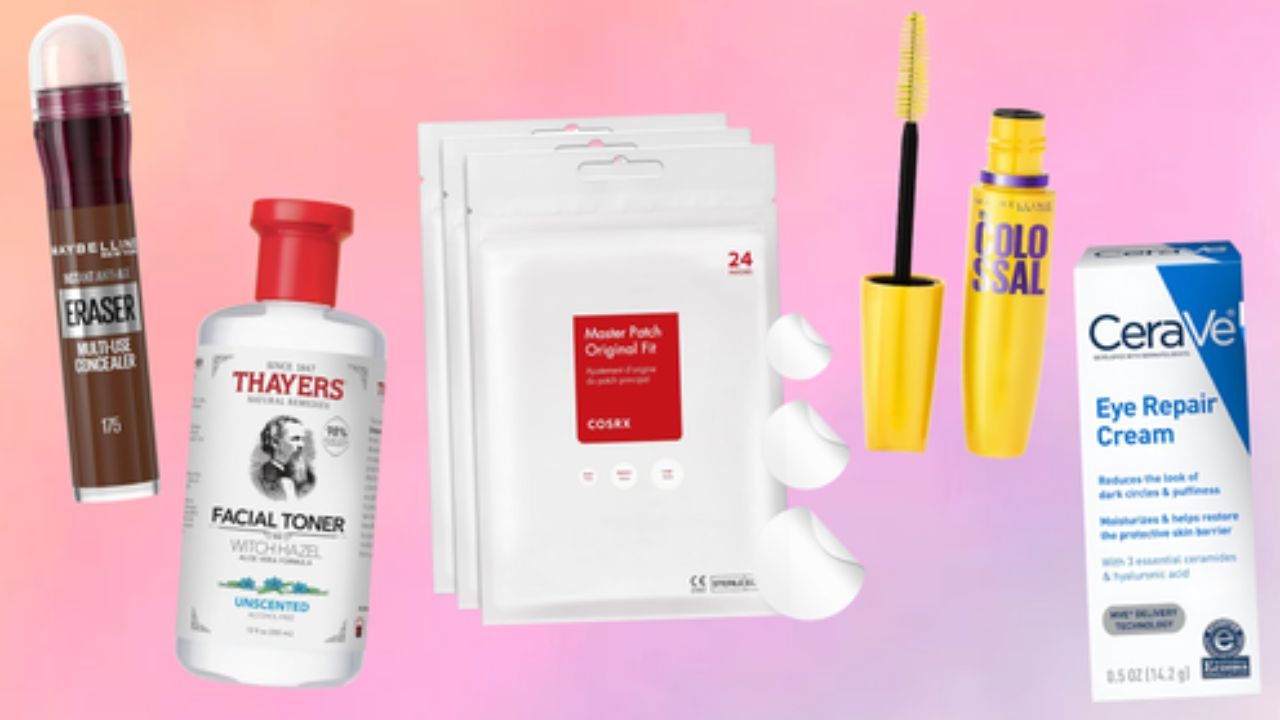
The smarter way to think about affordability is to ask whether the product is regularized, clearly labeled, and sold through a channel you can trust. That moves the decision away from impulse and toward value.
When A Low Price Says “Smart Buy” And When It Says “Be Careful”
A lower price does not automatically mean a worse beauty product, but it also does not prove you found a great deal.
Anvisa regulates cosmetics, personal hygiene products, and perfumes as products under health surveillance, which means legality and compliance matter as much as branding.
Brazil’s consumer-protection guidance also warns that exaggerated discount language can be used to push rushed decisions. That means cheap can reflect efficiency, but it can also reflect risk when the product origin, seller, or claims are unclear.
What Real Beauty Value Looks Like Beyond The Label
Real value in beauty shopping usually comes from a mix of price, fit, and legitimacy rather than from the cheapest visible number.
A product becomes good value when it is appropriate for your needs, sold through a reliable channel, and not inflated by branding alone.
Anvisa’s regulatory structure exists to help ensure that products sold in this category meet the standards expected under Brazilian oversight, and consumer guidance reinforces the importance of reading labels and comparing product purpose before buying. In practice, value means spending less without buying blindly.
The Real Secret To Spending Less On Beauty
One of the most reliable ways to spend less on beauty products is to stop assuming that the better-known brand is automatically the better choice.
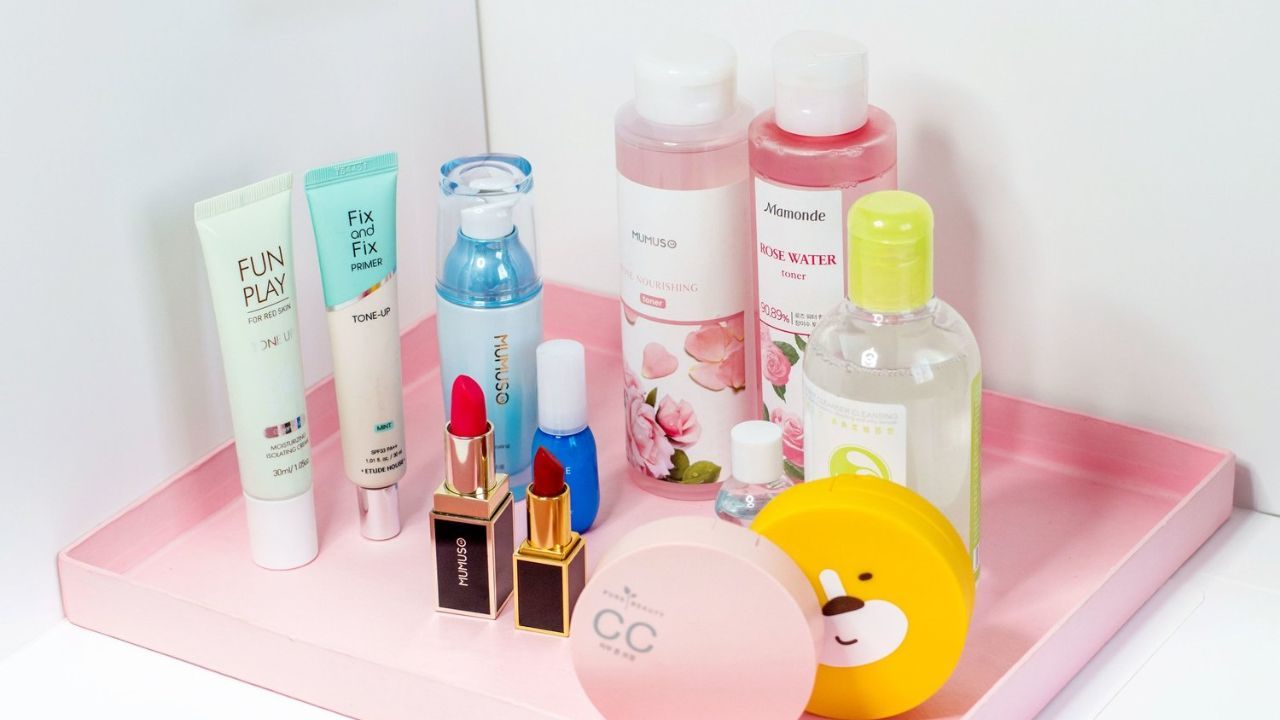
In many cases, the biggest savings come from choosing lower-cost products that still sit inside the right regulatory and retail framework.
That matters because the easiest way to overspend is to pay for familiarity when the regulated alternative is already good enough. In beauty shopping, the smarter move is often to compare what the product is, not just how famous the name is.
Why Regulation Matters More Than Hype
Regulation helps because it creates a baseline that price and marketing cannot show. Anvisa’s product framework makes clear that cosmetics and related categories fall under health regulation, which means these products are not simply decorative items with no oversight.
For consumers, that makes official regularization and compliant manufacturing more important than branding language or social media momentum.
A cheaper moisturizer, sunscreen, or hair product can still be a good buy when it comes from a seller and manufacturer operating within that regulatory framework.
Why A Trusted Formula Beats A Famous Name
A famous name may feel safer, but it is not always the strongest reason to pay more.
Consumer and retail guidance commonly encourages buyers to compare ingredients, claims, and intended use before assuming that the higher-priced version is meaningfully better. When those practical details align, a lower-cost item from a trusted source can represent the better decision.
That does not mean every cheap product deserves confidence. It means branding is often a weaker buying signal than shoppers assume, especially in beauty categories built around presentation.
The Brazil Beauty Stores Worth Checking Before You Chase A Deal
Finding lower-priced beauty products in Brazil is usually less about hunting for the single cheapest listing and more about starting in places that make comparison easier and mistakes less likely.
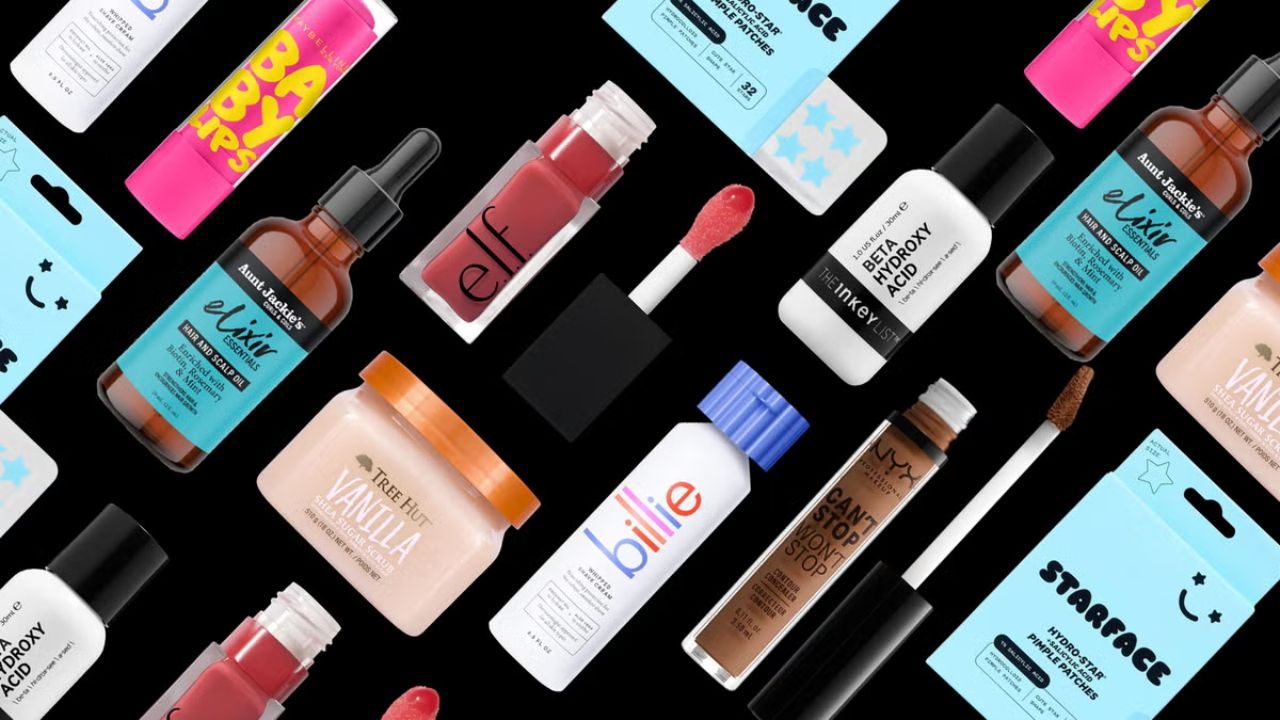
Large pharmacy chains, established beauty retailers, and official brand stores tend to be stronger starting points than unfamiliar marketplace sellers because they are easier to identify, easier to contact, and more likely to offer clearer return policies and product information.
In practical terms, buyers often make better decisions when they compare prices inside known retail channels first, then use official verification tools if something looks unusually cheap or unfamiliar.
Why Big Pharmacy Chains Usually Make Cheap Beauty Shopping Safer
Major pharmacy chains are useful not because they are always the cheapest on every item, but because they reduce uncertainty.
Drogasil, Droga Raia, Pague Menos, and Panvel all publicly offer beauty, cosmetics, or dermocosmetic sections, which give buyers a more stable environment for comparing prices across skincare, hair care, body care, and pharmacy-led beauty categories.
That matters because a low price is easier to trust when it comes from a retailer with visible customer service, recognizable operations, and a clearer connection to regulated personal care products.
Why Official Brand Stores And Anvisa Checks Can Save You From A Bad Buy
Official brand stores and large authorized beauty retailers can also be strong places to compare promotions, kits, and category discounts, especially in skincare and dermocosmetics where authenticity matters more than impulse pricing.
Even then, the smarter move is to treat price as only one part of the decision and use Anvisa’s consultation tools when you want to confirm whether a product is regularized.
That approach makes a discount easier to trust because it combines visible retail channels with product verification instead of relying on bargain language alone.
How To Save Money Without Letting Marketing Think For You
Saving money on beauty products works best when it follows a repeatable process. The most reliable approach is to compare product purpose, read the label carefully, verify the seller, and question dramatic claims before you buy.
That process is less exciting than chasing viral deals, but it is much better at protecting your money and your skin.
Affordable beauty shopping becomes smarter when you stop treating a low price as proof and start treating it as the beginning of a better comparison. Discipline creates better savings than impulse.
When Asking A Professional Is The Cheapest Move
The right time to ask for help is usually before you buy the product that promises to fix everything.
Pharmacists can be especially useful for basic skincare, irritation-related concerns, and everyday personal care questions because they can help you compare simpler alternatives and avoid paying more for branding alone.
Professional advice matters even more when irritation, allergies, or persistent skin concerns are involved. In those cases, a cheap product that is wrong for you is not really affordable. It is simply a more efficient way to waste money.
How To Compare Beauty Products Without Getting Pulled By Hype
The most dependable way to save is to buy cheaper products for the right reasons. Start with trusted pharmacies, official shops, and large retailers.
Compare product type, ingredients, and claims rather than packaging or online hype. Be skeptical of dramatic discounts when the seller is unclear.
Use Anvisa tools when you need to verify a product more carefully. That kind of approach may not always lead to the absolute lowest sticker price, but it makes it far more likely that the lower price you find is one you can actually trust.
Conclusion
The smartest way to buy cheap beauty products is to stop treating cheap as a category and start treating it as a question of value. Lower prices can be a very good sign when they come from regularized products, trusted sellers, and sensible comparisons.
They become a bad sign when they come from vague sellers, exaggerated claims, or products that look more persuasive than verifiable. In beauty shopping, the best bargain is not the lowest number on the screen. It is the lowest price that still leaves you confident about what you bought and where you bought it.