Free Cat Food Samples – Try Before You Buy
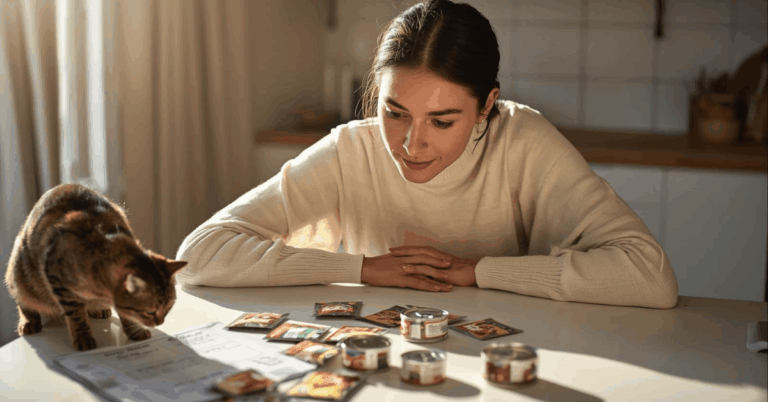
Test premium cat food brands without spending a penny. Browse current free sample offers, from veterinary-grade to specialty formulas. Get free samples You will be redirected to another website.A bag of premium cat food sitting untouched in the pantry is a specific kind of frustration. Your cat sniffed it once, turned around, and walked away. Free cat food samples exist for exactly this problem.
Cat owners with picky eaters, or cats with digestive sensitivities, spend more time researching food than anyone expects. Sampling before buying a full bag is smart. Knowing where legit offers live is the part most guides skip entirely.
Free cat food samples are available through brand websites, vet clinics, and pet retailers. The offers rotate often and disappear fast. Checking the right channels regularly beats searching only when you urgently need them.
This covers where to find cat food samples worth requesting, how to test them properly at home, and one popular piece of advice I genuinely disagree with.
Where Cat Owners Can Find Free Cat Food Samples in 2026
The most reliable sample sources fall into four categories. Each has a different rhythm, so knowing which to check first saves time.
Brand Websites Run the Best Offers
Royal Canin and Hill’s Science Diet periodically post sample sign-up forms when launching new formulas. These forms go live and disappear fast.
The best move is subscribing to brand newsletters directly, since sample pages rarely survive long enough to rank on Google before they close.
Purina runs similar promotions across its Pro Plan and ONE lines. Trial packs from these brands usually include single-serve pouches or small kibble portions, covering one to two meals.
Blue Buffalo and IAMS also run seasonal sample promotions, typically tied to new product launches. Checking their newsletter sign-up pages in January and September, when new formulas tend to drop, is worth the effort.
Vet Clinics Give Away More Than People Realize
Veterinary clinics receive regular sample shipments from brands like Royal Canin and Hill’s Science Diet. A stack of pouches near the front desk is common.
Cat owners who skip this source are leaving free food behind, often right next to where they pay their vet bill.
Pet fairs and adoption events are another overlooked channel. Brands attend these specifically because pet owners in that setting are actively thinking about what their cats eat.
Some vet clinics also receive prescription and specialty diet samples, only available through a clinic rather than online. For cats on restricted diets, asking your vet directly is the fastest path to a relevant sample.
Subscription Boxes and Retailer Loyalty Programs
Programs like Chewy Goody Box include sample-sized products within themed box orders. These aren’t free outright, but the per-sample cost spreads across multiple products in one delivery.
Chewy also offers new customer discounts that can bring a small bag purchase close to the sample cost. Creating an account at your preferred pet retailer and turning on deal notifications covers this channel without manual searching.
Brands with a track record for running sample or trial promotions in 2026 include:
- Royal Canin and Hill’s Science Diet for prescription-adjacent and breed-specific formulas
- Purina Pro Plan and Purina ONE for standard adult and senior lines
- Wellness CORE and Natural Balance for specialty and grain-free diets
- Blue Buffalo and IAMS for seasonal sample campaigns
Subscribing to each brand’s email list is the single fastest way to catch these before they close.
Dry Samples, Wet Samples, and Specialty Packs: Does Format Matter?
Short answer: yes. Requesting the wrong format teaches you nothing useful about your cat’s actual needs.
| Sample Format | What It Reveals | Best Suited For |
|---|---|---|
| Dry kibble portion | Smell interest, texture acceptance | Daily diet comparison |
| Wet/canned pouch | Palatability, moisture acceptance | Senior cats, low-thirst cats |
| Specialty diet pack | Ingredient tolerance, digestion response | Grain-free, sensitive stomach, weight management |
Cats with chronically low water intake tend to do better long-term on wet food, so a wet pouch sample tells you more about consistent meal acceptance.
Dry samples work for standard diet evaluation. Matching the format to your question makes a trial meaningful.
Specialty Diet Samples Are Harder to Find but Worth Targeting
Brands like Wellness CORE and Natural Balance include diet-specific varieties in some trial offers.
For cat owners dealing with recurring loose stools, skin issues, or unexplained weight changes, standard sample packs don’t produce useful data. Specialty packs targeted at grain-free or sensitive digestion formulas do.
The catch: specialty sample offers appear less frequently than standard ones.
Signing up for Wellness CORE or Natural Balance newsletters directly, rather than waiting for them to surface on deal aggregator sites, increases the odds of catching one when it runs.
My Honest Take: Free Samples Are the Wrong Tool for Allergy Testing
I disagree with the widely repeated advice that free samples are a good way to test a cat food for allergies or sensitivities. A single pouch from Hill’s Science Diet or Royal Canin covers one to two meals.
Observing an allergic reaction in a cat, things like vomiting, skin changes, or persistent lethargy, takes multiple consecutive days on the same food before a reliable pattern appears.
My take: for a cat with a known sensitivity, I would buy a 200-500g small starter bag from Wellness CORE or Natural Balance before relying on a single-serve sample pouch. The extra few dollars buys several consecutive days of feeding data.
A free sample is the right tool for testing whether a cat will eat something. A small bag is the right tool for testing whether a cat tolerates it.
Those are two different questions. Conflating them is how owners end up cycling through brands without ever landing on a real answer.
Testing a Cat Food Sample at Home Without Upsetting Your Cat’s Stomach
Switching cat food all at once does two things: it upsets digestion and produces unreliable preference data. A cat rejecting food during an abrupt switch might have accepted the same food after a gradual adjustment period.
The Gradual Mix Method That Works for Sample-Sized Portions
Mix a small portion of the new food into the cat’s regular meal rather than replacing it outright.
Increase the new food ratio over seven to ten days. For a one-pouch sample, this means stretching it across two or three days rather than serving it as one standalone meal.
Specific reactions worth tracking during any trial:
- Vomiting or loose stool in the first two to three days can indicate a formula mismatch or too-fast a transition
- Itching, scratching, or coat changes appearing after five or more days may point to an ingredient sensitivity rather than a transition reaction
- Flat-out refusal is the fastest feedback a cat gives, and it shows up within the first meal regardless of ingredient quality
A two-day sample period gives enough data for a palatability read. Anything sensitivity-related needs a longer run on consecutive days, which is where the small bag comes back into the picture.
Cheaper Alternatives When Free Samples Aren’t Available
Free sample campaigns run on brand schedules, not yours. Two options fill the gap when one isn’t active.
- Small starter bags (200-500g) from Purina, Blue Buffalo, and IAMS are available through pet retailers for under $5 in many cases. Several meals of testing at low cost is the practical equivalent of a sample, with added consecutive-day feeding data.
- New customer discounts from retailers like Chewy can bring a first bag’s price down significantly. Combining a first-order discount with a small bag size gets close to sample cost without hunting for a campaign that may not be running.
Community pet groups and social media forums sometimes organize food swaps for sealed, unused portions.
Sealed bags from a trusted person in a local group are generally fine. Open containers or partially used cans from strangers are a higher-risk path, particularly for cats with known sensitivities.
Questions People Ask About Free Cat Food Samples
Q: Do brand sample offers always include free shipping? Often no. Brands like Royal Canin and Hill’s Science Diet typically charge a small shipping fee on trial packs. An offer charging significantly above a standard shipping rate warrants skipping.
Q: Can I get samples for cats on prescription or veterinary diets? Prescription diet samples are generally only available through a vet clinic, not brand websites. Ask your vet directly since clinics receive sample shipments from brands like Hill’s Prescription Diet on a regular basis.
Q: How often can I request a sample from the same brand? One request per household per year is the general standard. Some brands limit by address rather than by person, so requesting samples from multiple family members at the same address usually won’t work.
Q: Are Chewy Goody Box subscriptions worth it just for the sample products? For owners actively testing multiple brands, the box format makes sense because several products arrive together. For someone already committed to one brand, the value isn’t there. It works best during an active brand-switching period.
Q: Is it safe to get cat food from community swap groups? Sealed, unexpired portions from someone you know carry minimal risk. Open bags or cans from strangers in online groups are a different situation, particularly for cats with sensitivities. Cost savings shouldn’t outweigh your vet’s dietary guidance for a fragile digestive system.
Conclusion
Free cat food samples are a practical first step when searching for a food your picky cat will eat. Small starter bags fill the gap when active campaigns aren’t running, and they provide more consecutive-day feeding data.
Knowing the difference between taste testing and allergy testing saves money and prevents a frustrating cycle of guessing. Pick one brand, request a sample, and let your cat give you the only review that counts.