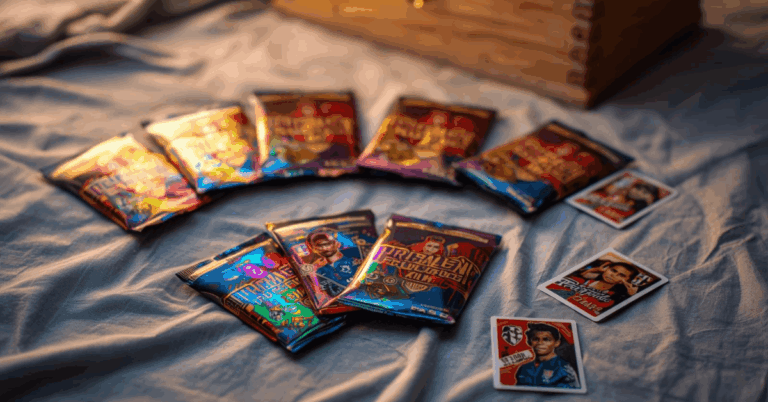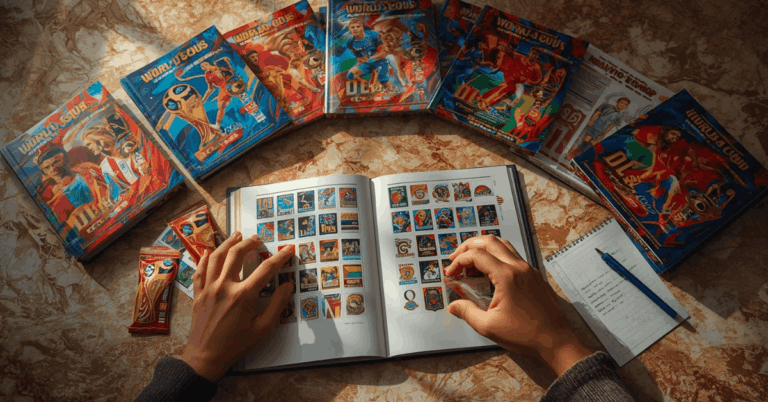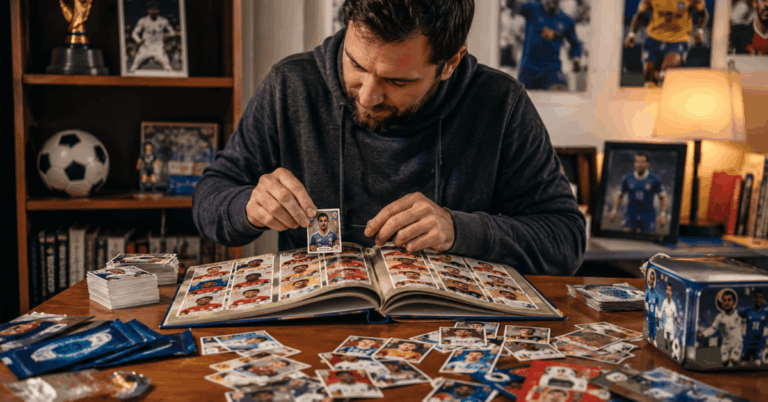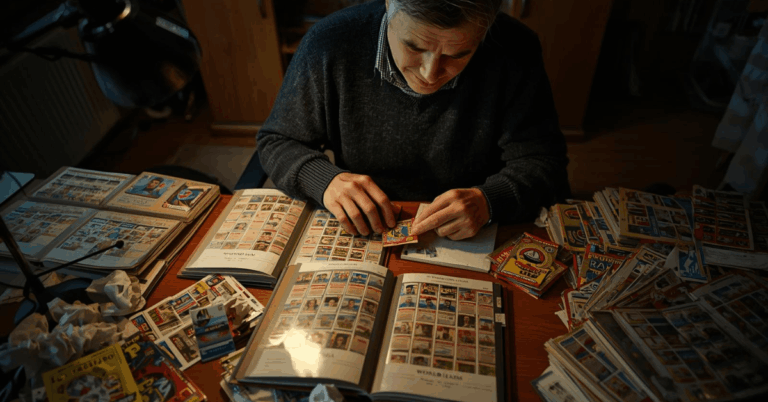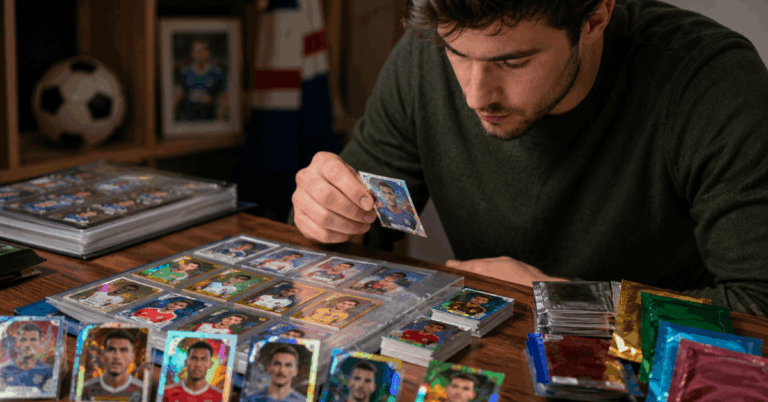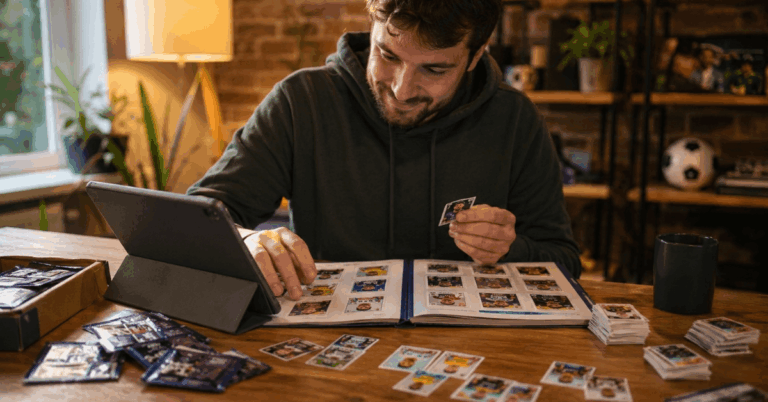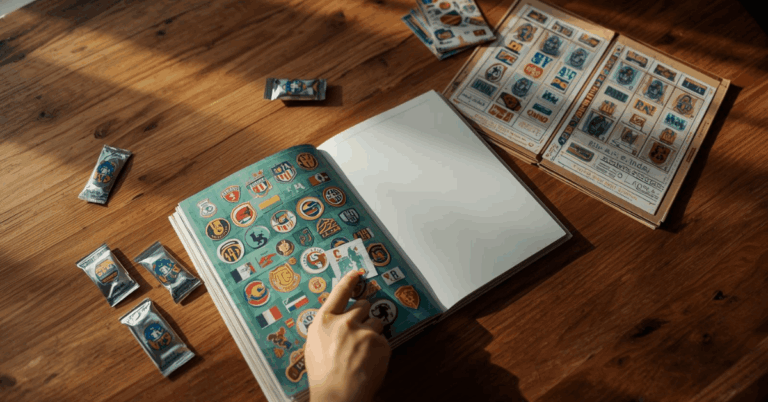
There’s a specific feeling when you tear open a pack and the sticker you’ve been missing for two weeks still isn’t there. World Cup sticker collecting does something to people. It gets under your skin fast.
The 2026 FIFA World Cup has lit the whole hobby back up. Sticker albums are circulating in schools, offices, and family group chats across every football-watching country, and new collectors are jumping in every week.


I want to talk about the parts of this hobby that most guides skip entirely. Not the obvious “buy packs, swap duplicates” advice. That’s a caption, not a guide.
This is for the adult who grabbed one pack on impulse and is now three albums in, wondering which stickers deserve real protection and which to paste freely.
Why 2026 World Cup Sticker Albums Are Already Hard to Find
The 2026 tournament is the largest in the history of the competition. More teams means more pages, more player stickers, and a bigger ask from anyone trying to finish an album.
Collectors who completed previous editions are finding this one significantly more demanding.
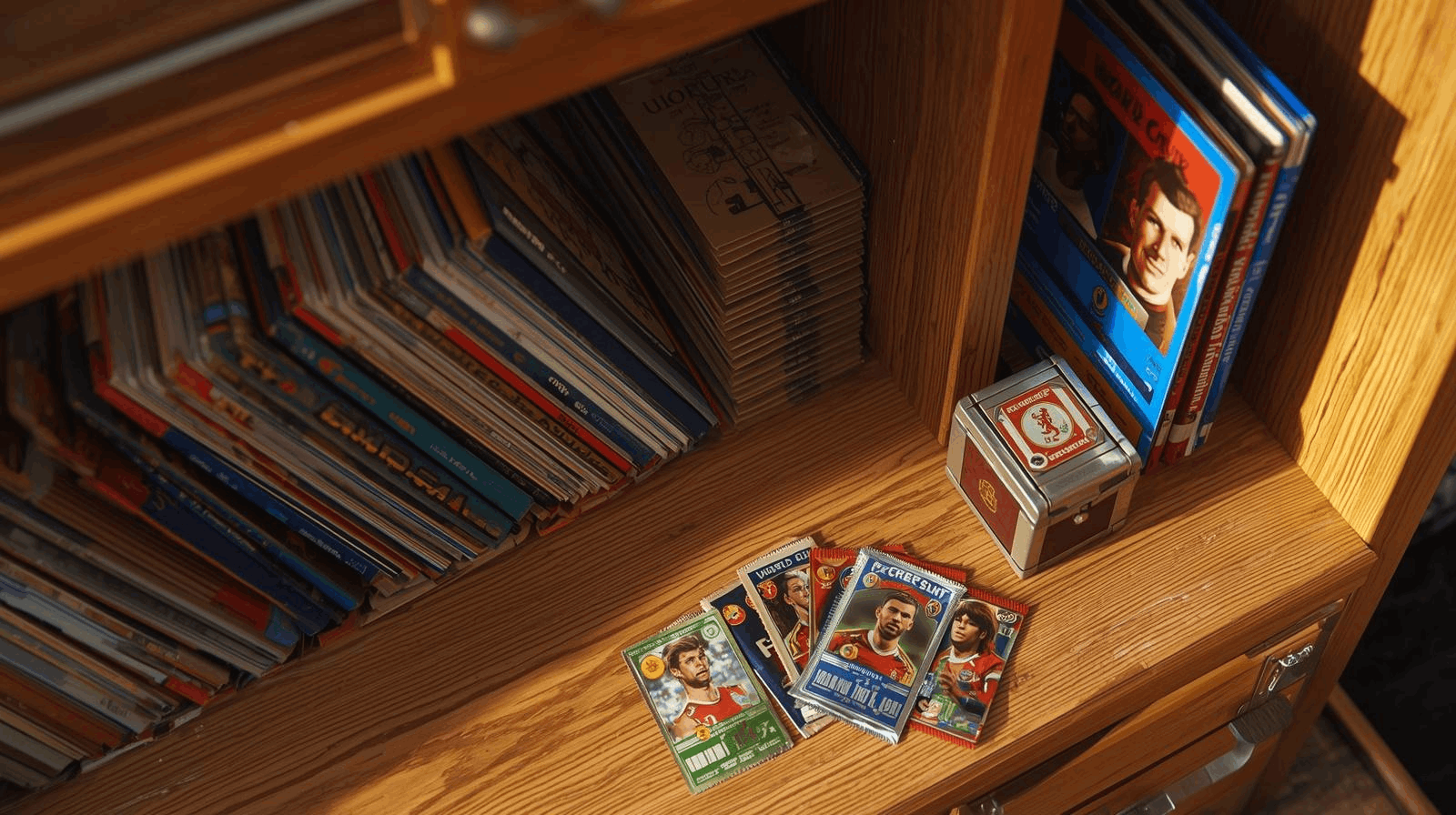
Panini, the official sticker producer for FIFA tournaments, releases a new album for each World Cup.
What’s changed in 2026 isn’t the format. It’s the appetite around it. Trading sessions that once happened in schoolyards now happen in Discord servers and dedicated collector groups with thousands of members.
What’s Driving Collector Demand Right Now
Part of it is nostalgia. Adults who collected as kids in the 1990s or early 2000s are returning to the hobby, often pulling their children into it along the way.
The unpredictability of each pack is the engine that keeps people buying: you never know if you’re pulling a common card or the exact player you’ve been chasing for a month.
Women’s World Cup albums have also gained serious ground over the past two cycles.
Collectors who dismissed these editions earlier are now tracking them down, partly because availability was lower at launch, which made them harder to find and more appealing to own.
Which Editions Are Generating the Most Trade Activity
The editions that create the biggest secondary market tend to share a few traits.
Limited regional print runs, first-appearance stickers for rising players, and holographic designs all drive trade interest in ways that standard common stickers don’t.
Albums featuring historical teams or all-time squads attract a different kind of collector: the completionist who wants everything tied to a specific era or player.
A rare vintage sticker of Pelé or Maradona can sell on auction platforms at prices that would surprise anyone who still thinks of these as children’s collectibles.
How to Build a World Cup Sticker Collection Without Burning Through Money
I’d push back on the standard advice that says to just keep buying packs until the album is done. Panini’s own swap data from past tournaments showed that collectors needed to open hundreds of packs to complete a set through purchases alone.
A smarter path mixes pack purchases with targeted swaps from the very beginning.
Setting up a swap list early matters more than buying volume. Every duplicate is a potential trade, and duplicates pile up fast. Collectors who track what they have and what they need from day one tend to complete albums faster and spend less doing it.
Starter Kits vs. Buying Packs One by One
Starter kits typically include the album and several packs at a bundled price.
For a first-time collector or someone returning to the hobby, a starter kit is the logical entry point. It gives you the album and enough stickers to get interested before any additional decisions.
Buying individual packs works well once you have a clear list of gaps. Targeting swaps before buying more packs separates collectors who spend wisely from those who just accumulate duplicates without making progress.
| Approach | Best For | Cost Control |
|---|---|---|
| Starter kit | New collectors | Good: bundled value upfront |
| Individual packs | Gap-filling mid-collection | Moderate: risk of duplicates |
| Single sticker purchase | Last few missing entries | High: targeted spending only |
| Swapping duplicates | Any stage | Best: zero cost |
Single-sticker purchases for the last handful of missing entries are almost always more efficient than buying blind packs at the end.
The official Panini swap platform lets you list duplicates and find trade partners directly, which cuts the gap-filling cost considerably.
Where Serious Collectors Find Swap Partners
Community swap events happen at local sports stores, community centers, and fan parks during match days. These are low-pressure and often the fastest way to clear a large duplicate list in a single afternoon.
Online, dedicated FIFA sticker forums have existed for years. The social layer around this hobby is genuinely active.
Groups organized around specific albums, eras, or player collections run across Reddit and Facebook with thousands of regular participants.
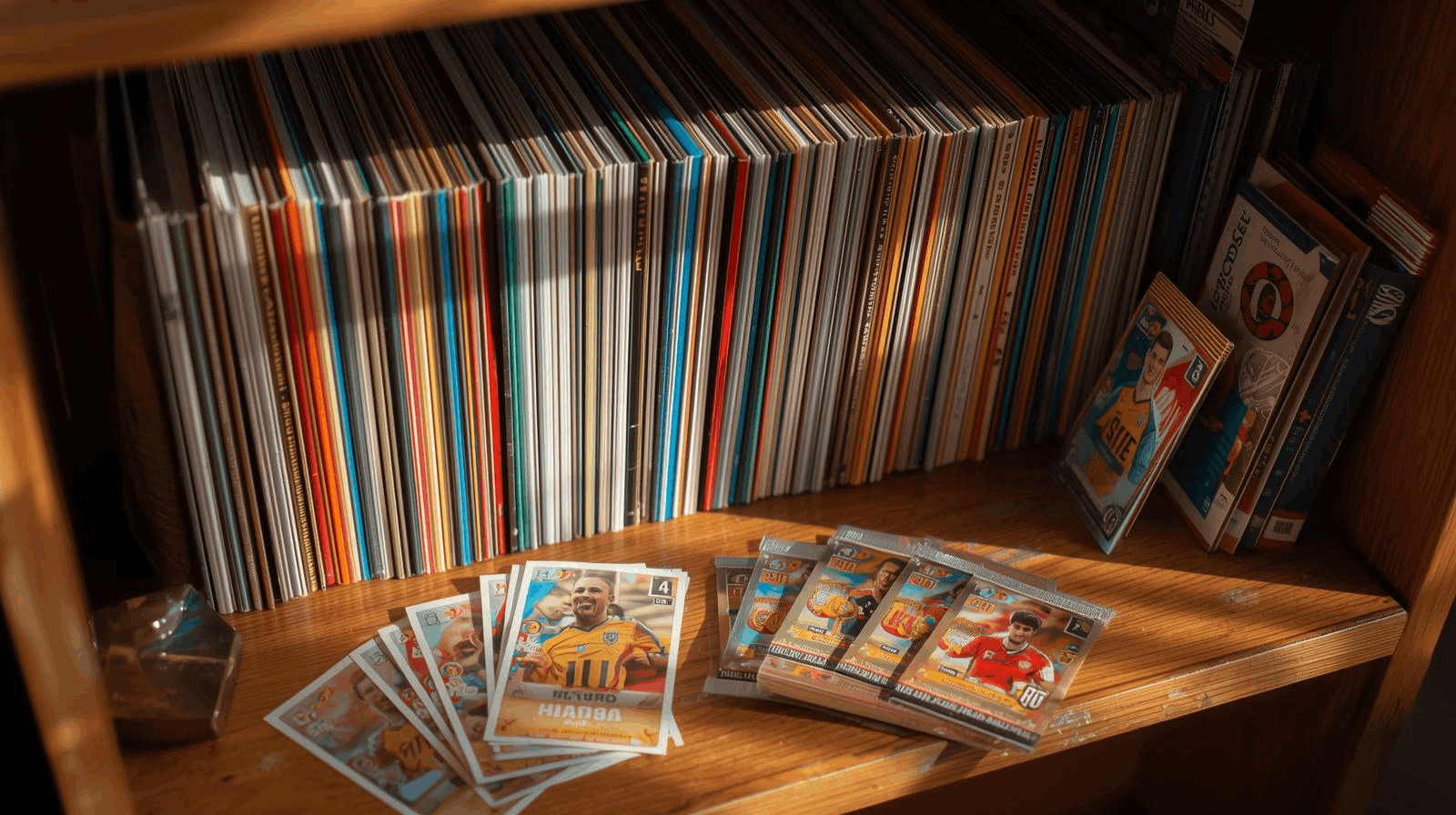
Should You Paste Stickers Into the Album or Keep Them Loose?
My take runs directly against what collector guides tend to say, and I’ll be specific about why. The widespread advice is to paste everything as you go because that’s “the traditional experience.”
I disagree, and the reason is practical: pasting a Pelé or Maradona vintage sticker, which can sell for high sums on auction platforms, permanently bonds it to cardboard.
A near-mint loose sticker from a limited print run has trade value. A pasted one has sentimental value. Those are different things.
For standard common stickers? Paste away. That’s genuinely fun. But treating every sticker identically regardless of rarity is a habit that costs collectors real value over time, and no guide tells them that upfront.
Storage Habits That Hold Up Over Time
Humidity is the main threat to sticker condition. Albums stored in damp spaces warp, and pasted stickers can lift or discolor. Storing albums upright on shelves, away from outside walls or basements, is the practical standard most long-term collectors follow.
For loose stickers, archival plastic sleeves are the right move for anything with trade or resale potential. These are the same sleeves used for trading cards, and they cost almost nothing per unit.
A few habits worth building early:
- Store albums upright, never flat and stacked under weight
- Keep rare loose stickers in individual archival sleeves, especially holographics
- Avoid storing near windows or heating vents where temperature swings occur
- Handle rare stickers with clean, dry hands; finger oils cause long-term surface damage
Can World Cup Stickers Be a Real Investment?
A small number of rare stickers have sold for genuinely surprising amounts. Vintage stickers from 1970s and 1980s World Cup albums have appeared at auction prices no casual collector would expect.
Full albums from early decades, kept in good condition, have appreciated over time on the collector market.
That said, framing sticker collecting primarily as an investment strategy is the wrong approach for this hobby.
The financial upside, when it exists, is a bonus. Collectors chasing profit tend to hoard and price out the casual community, which is exactly what makes the hobby less interesting for everyone.
What Makes an Old Album Valuable Years Later
Condition is the primary driver. A complete album from the 1990s in near-mint condition is rare because most albums from that era were used by kids who handled them constantly.
Rarity plus condition is what pushes prices on the serious end of the market.
Unopened packs from past tournaments also draw strong interest on collector platforms.
The FIFA official site archives information on past tournament history, which gives useful context on which editions had limited distribution and why they’re harder to find now.
Factors that tend to increase a sticker’s long-term value:
- First print run from an official Panini album cycle
- Player stickers of athletes who later became widely recognized legends
- Regional exclusives with limited distribution at the time of release
- Unopened packs from fully completed tournament cycles
Questions People Ask About World Cup Sticker Collecting
Q: Are digital sticker albums worth trying alongside physical ones? Digital options give collectors a zero-storage way to participate, which works well for people who travel and can’t carry physical albums. The swap and trade dynamic feels different without the physical exchange, though. Most collectors who try both end up treating the digital version as a companion, not a replacement.
Q: How many packs do you realistically need to complete an album? Pack odds mean duplicates build up fast, and the final stretch of a large album can take as many packs as the first half. Swapping duplicates aggressively once you’re past halfway is consistently more efficient than buying more packs blind to chase the last missing entries.
Q: What’s the safest way to buy stickers online without getting fakes? Stick to Panini-authorized retailers and established collector platforms with seller ratings and return policies. Counterfeit stickers and fake albums do circulate around major tournaments. Checking pack seals and buying from sellers with verified transaction histories cuts the risk substantially.
Q: Can kids safely participate in online swap communities? Parental guidance on spending limits and safe online activity matters as kids get older and want to trade in online groups. Most established collector communities have terms around verified buying and selling. Reading those before letting younger collectors participate independently is worth the five minutes it takes.
Q: Is collecting the Women’s World Cup album the same experience as the men’s? The collecting structure is identical: packs, swaps, album completion. The community around women’s editions is smaller but growing steadily. Because print runs on women’s editions have historically been lower, some collectors find the scarcity element adds an interesting dimension to the chase.
Conclusion
World Cup sticker collecting in 2026 rewards patience and community far more than raw spending ever will. A mix of swaps and targeted single purchases gets you closer to a complete album than buying packs blindly ever could.
Protect the stickers that carry real trade value, paste the rest freely, and let the incomplete album do what it does best: keep pulling you back.