Anyone searching for how to buy cheap custom furniture is usually trying to solve a real room problem, not simply hunt for a lower price on a product page.
The smartest way to approach how to buy cheap custom furniture is to focus on fit, materials, delivery terms, and seller reliability before getting distracted by finish options or trend appeal.


That matters because a lower-cost custom piece only feels like a bargain when it fits the space well, arrives as promised, and still feels worth owning after the purchase stops feeling new.
Cheap Custom Furniture Should Never Feel Like A Compromise
A cheap custom furniture piece is only a smart buy when it solves a practical problem without creating a new one.
In this category, price alone is a weak signal because some pieces cost less for sensible reasons, while others cost less because the materials, service terms, or build quality are weaker than the listing first suggests.
The better test is whether the piece gives you the right size, the right function, and terms you can still live with after delivery.
When A Lower Price Is Smart And When It Is A Warning
A lower price does not automatically mean a worse chair, sofa, or storage piece, but it also does not prove you found a strong deal.
Online furniture listings can look more premium than they really are because polished photos and carefully written descriptions hide the details that matter most.
The FTC advises shoppers to check refund policies, total costs, and delivery promises before ordering online, which matters even more with furniture because the mistake is bigger, heavier, and harder to fix.
What A Good Deal Actually Looks Like In Made-To-Order Furniture
Real value in custom furniture usually comes from a combination of fit, material quality, and realistic purchase terms rather than from the lowest visible price.
A piece becomes good value when it matches the room dimensions, offers configuration choices that actually solve a problem, and does not hide expensive surprises in shipping, delays, or weak return rights.
In practice, the smartest lower-cost custom purchase is often the one that is simple, well-sized, and clearly described, not the one with the loudest language around design or exclusivity.
The Real Value Of Custom Furniture Starts With The Room
The main reason to consider custom furniture at all is fit. If the piece is not solving a size, layout, or function problem better than a standard product could, then the customization may not be worth the extra attention or cost.
This is where affordable custom furniture can make real sense. When customization is focused on dimensions or layout rather than decorative extras, it can create better value than a standard item that almost works but never fully does.
Why Better Proportions Beat Bigger Spending
Custom sizing matters most in rooms where standard furniture wastes usable square footage or feels visually awkward.
A narrower console, a shallower sofa, or a made-to-order storage piece can solve a layout problem more effectively than a standard item that almost fits.
Room & Board’s made-to-order offerings emphasize size choices alongside materials and finishes, which reflects how central dimensions are to the custom-furniture appeal. For many buyers, the most useful customization is not fabric or color. It is a scale.
How A Better Fit Can Do More Than A More Expensive Piece
A custom piece that fits properly can outperform a bigger budget. Spending more on a larger or more luxurious-looking piece is not always the smarter move if it overwhelms the room or interrupts how the space works.
A moderately priced custom piece that fits properly can outperform a more expensive standard item simply because it functions better every day. That is one of the strongest reasons cheap custom furniture can be a smart buy.
Online Furniture Shopping Is Also A Test Of Trust
When custom furniture is bought online, it becomes a test of trust as much as a style decision.
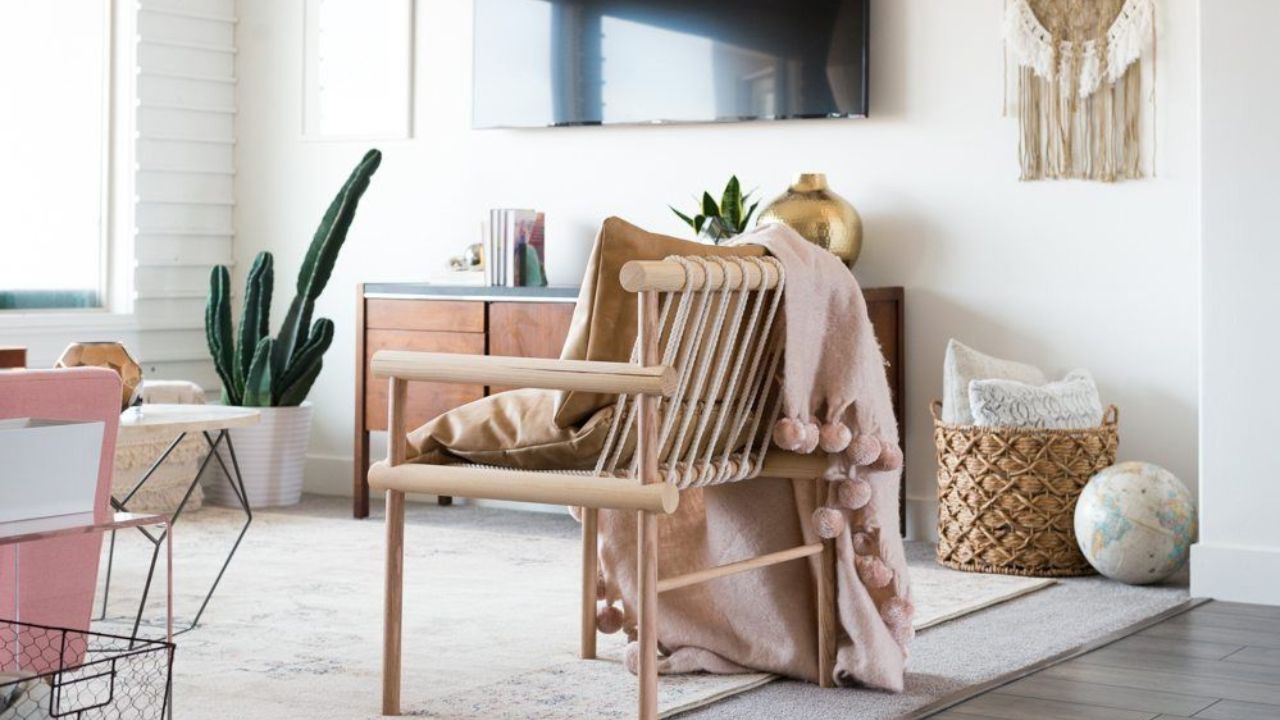
Buyers are not only choosing wood, fabric, or finish. They are also choosing a seller based on their photos, lead times, return terms, and delivery promises.
That is why larger retailers and established custom-furniture platforms often make the process easier.
They may not always have the absolute lowest prices, but they usually make comparison, policy checking, and customer support more transparent than unfamiliar sellers do.
Why Established Sellers Usually Make Hard Decisions Easier
Established sellers are useful because they reduce confusion. Wayfair’s custom furniture category groups customizable pieces in one place and shows broad variation across style, category, and price, which helps buyers understand what the market actually looks like.
Room & Board also makes it clear which elements can be changed, including materials and, in some cases, dimensions.
That kind of structure is helpful because it lets buyers compare what is really customizable instead of relying on vague “made-to-order” wording that may mean less than it sounds.
How Policies, Lead Times, And Reviews Change The Real Price
Lead times matter more with custom pieces because they can be longer and less flexible than for standard home goods.
The FTC’s online shopping guidance is especially relevant for furniture because it pushes buyers to check refund rules, delivery timing, and who is responsible if something goes wrong.
In practical terms, a custom item with a lower sticker price can still become the more expensive choice if shipping is delayed, return shipping is costly, or restocking fees make a mistake hard to correct.
Practical Features Sound Better Than They Perform
Not every low-cost custom piece deserves the same confidence. Some are practical because the customization is limited and the build is relatively straightforward.
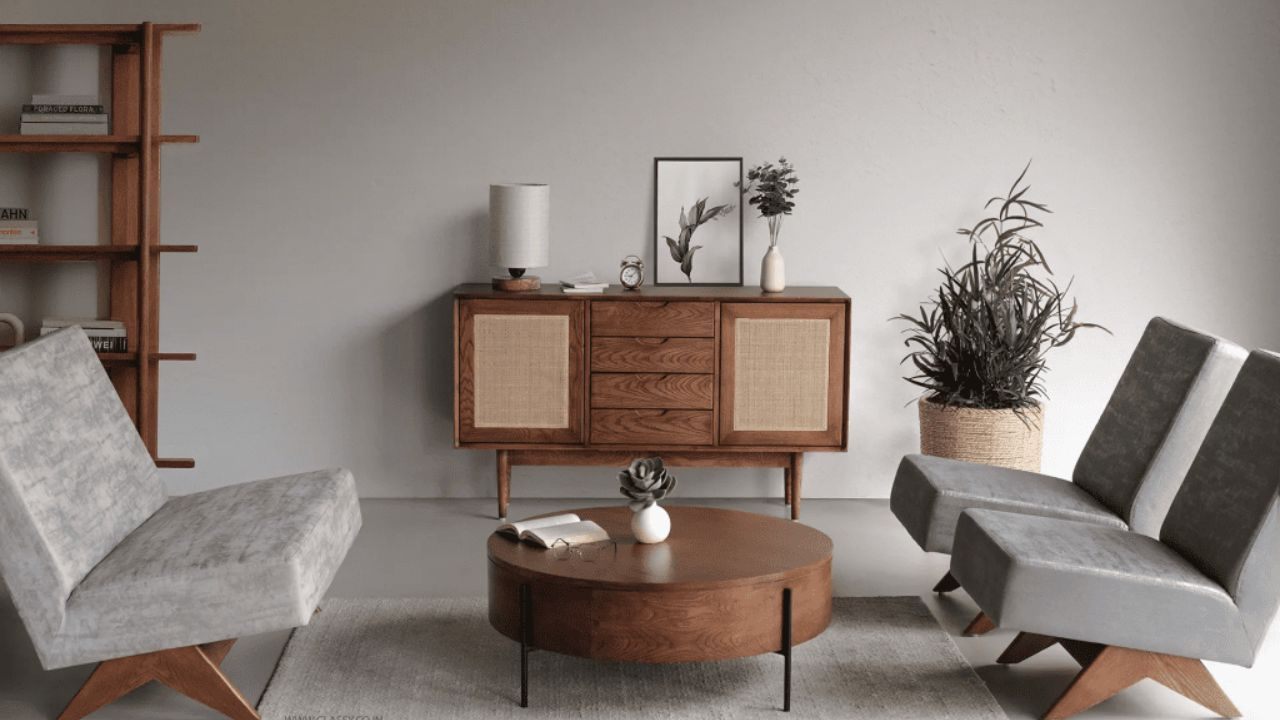
Others need more scrutiny because the seller promises a lot without saying enough about materials, durability, or lead time.
Cheap custom furniture becomes risky when the sales story grows faster than the evidence behind it. That is usually where buyers end up paying for choices that sound attractive but do not improve the product in the ways that matter most.
Why More Fabric Choices Do Not Guarantee A Better Piece
A long menu of fabric choices can make a piece feel more premium, but customization alone is not quality.
Wayfair’s custom sofa pages highlight many fabrics and colors, while Pottery Barn’s special-order furniture also emphasizes broad fabric, leather, and cushion-fill choices.
Those options can be useful, but they can also distract from more important questions about frame construction, fabric durability, and what happens if the final product looks different from expectations. Choice only adds value when the underlying piece is strong enough to justify it.
How Trend-Led Design Can Hide Weak Construction
Trend appeal can make buyers focus too much on surface details and too little on structure.
A certain curve, finish, or upholstery texture may look current, but trend alignment says almost nothing about whether the piece will wear well or suit the room long term.
Room & Board’s materials guidance is a useful reminder that performance, maintenance, and durability matter more than trend appeal in real use. Cheap custom furniture becomes a poor deal when styling wins the buyer’s attention before construction earns their confidence.
Conclusion
The smartest way to buy cheap custom furniture is to stop treating a low price as the main achievement. A better standard is whether the piece fits the room, solves a real problem, uses acceptable materials, and comes with terms you can live with if something goes wrong.
Online custom furniture can absolutely be worth considering, especially through larger, more transparent sellers. But the real bargain is the one that still feels like a good decision after the delivery truck leaves.