
Travel budgets rarely collapse because of one big expense. More often, they get stretched by a series of charges that looked manageable on the first booking screen.
That is why people looking up how to buy cheap car rentals usually need more than a low daily rate. They need a booking that still makes sense after branch rules, protections, mileage terms, and return conditions are taken into account.


In Brazil, the car rental market rewards travelers who look past the first price and read the booking more carefully from start to finish.
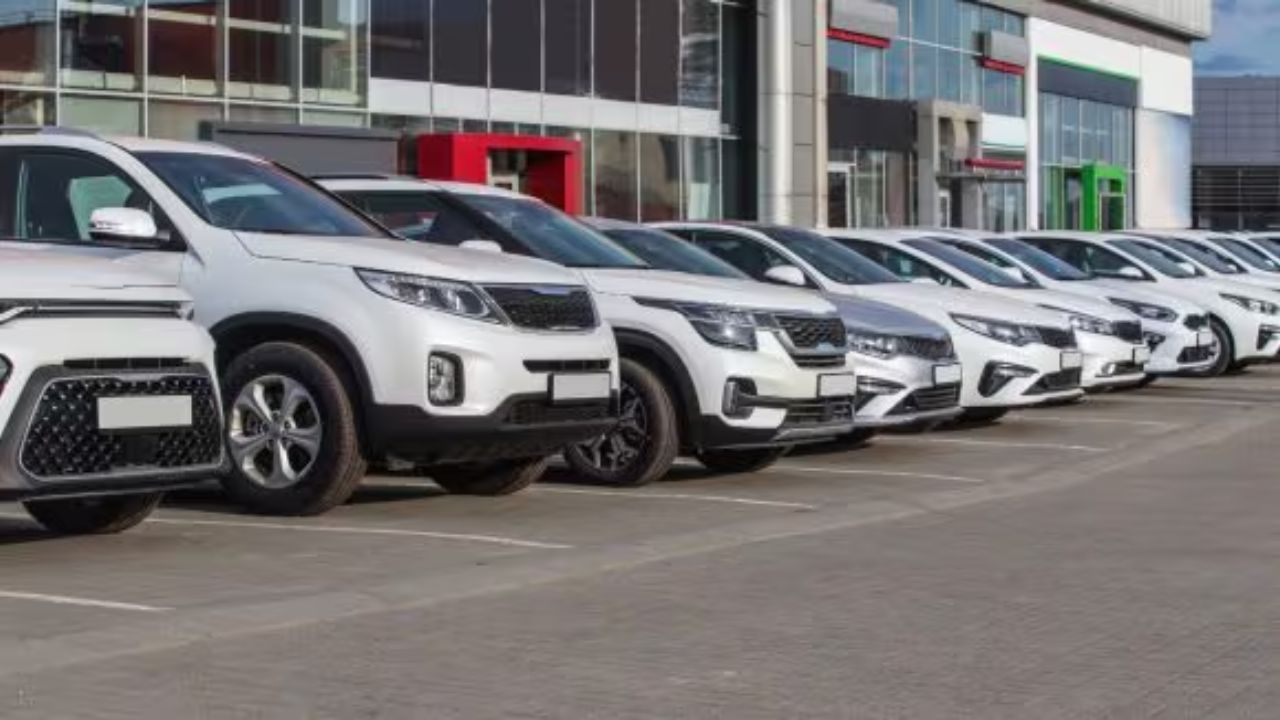
Why Lower-Priced Rentals Often Make More Sense
A cheaper rental is not automatically a lesser one. On many trips, the car is there to handle transfers, highway stretches, day trips, or airport logistics, not to serve as the centerpiece of the journey.
When that is the case, spending less on the vehicle can free up room for fuel, tolls, hotels, and meals without changing the quality of the trip in any meaningful way.

What matters most is whether the car supports the trip budget instead of putting pressure on it.
Smaller Cars Usually Work Better Than Renters Expect
In Brazilian cities, a compact vehicle often turns out to be the more sensible choice. It is generally easier to park, less expensive to fuel, and often fully adequate for solo travel, couples, and standard leisure routes.
That is one reason rental catalogs from companies such as Unidas and Movida break their fleets into practical categories rather than pushing everyone toward larger vehicles. The lower-priced class often handles the trip just as well as a more expensive one.
Saving on the Car Helps the Rest of the Trip
A rental that costs less at the start can make the overall trip easier to manage, especially in a country where fuel, tolls, airport access, and parking can quickly add up. The point is not to book the lowest available number.
It is to avoid overpaying for space, category, or features that add little to the travel experience. When the booking fits the route and the passenger load, spending less on the car helps contain wider travel costs that are harder to avoid later.
Where To Compare Car Rentals Online in Brazil
The easiest way to lose money on a rental is to stop comparing too early. In Brazil, the best online booking process usually begins with a comparison platform and ends with a direct check on the rental company’s own site.

That sequence matters because comparison tools widen the search, while direct sites often make the final terms easier to confirm. The daily rate may attract attention first, but policy details determine whether the booking remains attractive later.
Rentcars Gives a Clearer View of the Market
Rentcars is one of the most useful examples because it says it compares rates from more than 350 rental companies in 160 countries, and its Brazil pages regularly surface local operators in one place.
That lets renters compare classes, pickup points, and price differences without opening multiple tabs for each provider.
A side-by-side view is especially helpful in large markets such as São Paulo, where branch location and vehicle category can alter the value of a deal as much as the price itself.
Direct Company Sites Help Confirm What the Listing Really Means
After comparing broadly, it makes sense to verify the final booking with companies such as Localiza, Unidas, or Movida. Localiza’s official site offers reservation access, a wide fleet, and loyalty features.
Unidas emphasizes nationwide coverage and a 24-hour reservations channel. Movida highlights included protection, unlimited mileage, and a courtesy return window on some offers.
Those details matter because the difference between a good deal and a frustrating one often sits in the conditions, not in the car class, which is why direct sites still matter before payment.
What Makes a Cheap Rental Stop Looking Cheap
Low rental prices usually go wrong in predictable ways. The problem is rarely that the car is smaller or simpler than expected.
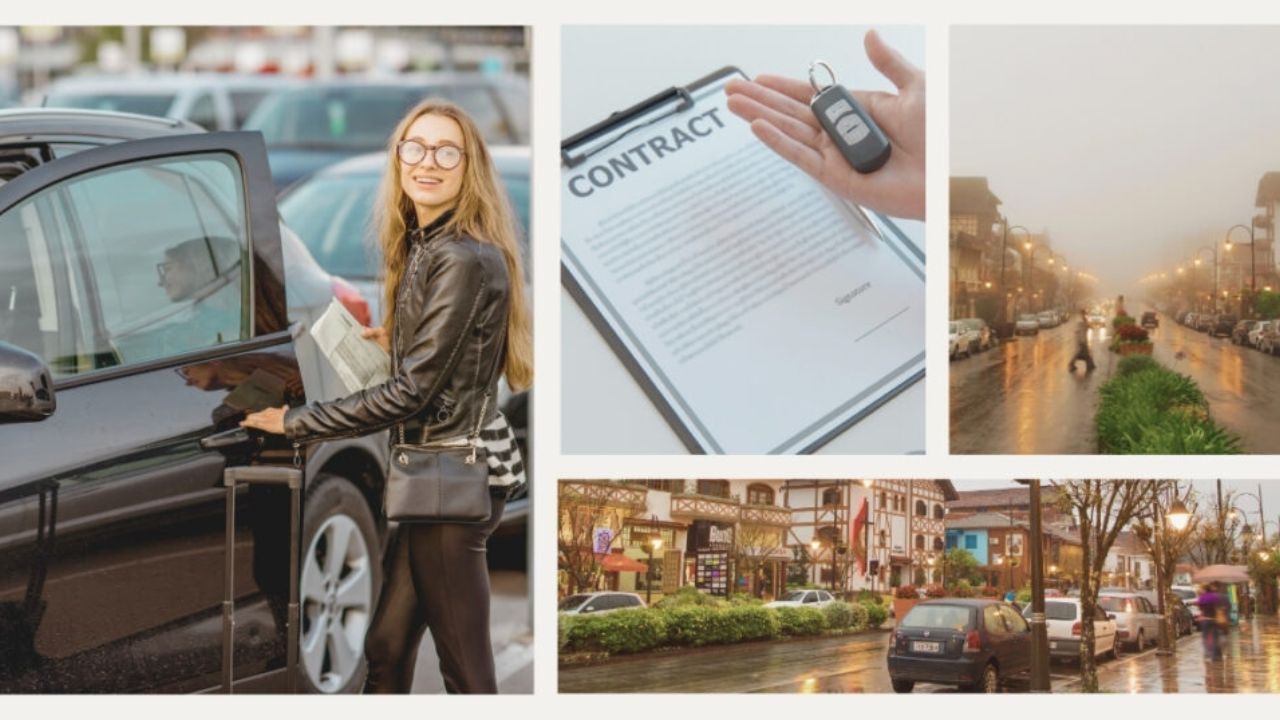
The problem is that the conditions attached to the booking change the real cost after the reservation has already felt settled.
Deposits, including protections, mileage terms, pickup timing, and branch-specific procedures, all influence whether the booking still feels worthwhile once the trip begins. A rental rate is only useful when the rest of the contract supports it.
Protections, Mileage, and Pre-Authorization Can Reshape the Price
A daily rate may look appealing until the booking reaches the stage where protection choices, card holds, or mileage conditions start changing the total.
Movida explicitly advertises included protection and unlimited mileage in some offers, while other providers separate these elements more carefully across products or categories. That difference is important.
A quote only becomes meaningful when you know whether the rate assumes extra charges later, and whether the booking conditions still make sense for the kind of trip you are planning.
Pickup Location Changes More Than Convenience
Airport rentals look simple because the handoff feels direct, but pickup location can influence price, operating hours, and overall ease. In a large travel hub, the branch itself may matter nearly as much as the car.
A convenient airport pickup can save time, yet a city branch may offer a cleaner deal depending on the itinerary.
That is why comparison pages showing multiple pickup points are useful. The lowest rate at one location does not automatically translate into the easiest or least costly option for the trip as a whole.
How To Book More Carefully Without Overcomplicating It
The best bookings are rarely the fastest ones. They come from narrowing the decision in the right order: trip first, vehicle second, policy third, price fourth. That may sound slow, but it usually avoids the kind of mistake that costs more later.

A traveler who knows the route, the luggage load, the likely parking conditions, and the pickup window is in a much better position to recognize a strong booking than someone choosing mainly from a promotional grid.
In practice, the safest savings usually come from respecting the booking order.
Start With the Route, Not With the Promotion
A driver moving through dense urban areas such as São Paulo or Rio de Janeiro often benefits from a smaller category, while a longer road trip with several passengers may justify more space. The point is to let the route decide the category.
Promotions can be useful, but they do not know whether the trip involves narrow parking, luggage-heavy airport transfers, or a family itinerary with several stops. When the route leads the decision, flashy offers become easier to judge in context.
Read the Booking Like a Service Agreement
Before paying, it helps to confirm what documents are required, when payment is collected, whether the branch hours align with the flight or arrival time, and how the return process works.
Unidas states that payment is made when the contract is opened, and its how-to-rent information reinforces the importance of checking requirements in advance.
That kind of detail can feel secondary while browsing, yet it often determines whether pickup remains smooth or becomes stressful at the counter. A rental booking works better when it is read like a service agreement instead of a casual online purchase.
How To Avoid Problems After Pickup and Return
A rental can look excellent online and still create trouble at the very end if the handoff back to the branch is poorly documented.

This is where many otherwise reasonable bookings go off course. The strongest low-cost deals are the ones that are easy to close cleanly, with no confusion about fuel, condition, or timing.
That makes the return process just as important as the reservation process. A booking is not complete when the car is collected. It is complete when the contract closes without surprises.
Keep Simple Proof of the Car’s Condition
Photos at pickup and return, fuel receipts, and any written or digital confirmation of drop-off can save time later if questions arise.
This does not require an elaborate process. It simply means documenting the handoff before the trip and again at the end.
Because rental companies operate at scale, basic records are among the easiest ways for renters to protect themselves if damage or fuel disputes arise after the vehicle is returned. Good documentation helps the price you booked remain the price you live with.
A Good Deal Should Still Feel Clean at the End
The most useful test of a rental price is whether it still feels fair after pickup, driving, and return are finished.
A booking that creates confusion over branch timing, payment expectations, or included protections is not especially cheap, even if the daily rate looked excellent.
The stronger deals are usually the simpler ones: the car fits the trip, the rules are clear enough to follow, and the return is easy to complete. That is what turns a low rate into actual value rather than temporary optimism.
Conclusion
A lower rental price is useful, but it only becomes meaningful when the rest of the booking holds together just as well. In Brazil, the strongest deals usually come from comparing broadly on Rentcars, then checking the final terms directly with providers such as Localiza, Unidas, or Movida before payment.
That extra step helps expose the difference between a rate that looks attractive and a reservation that is actually workable. The bookings worth keeping are usually the ones that remain practical, clear, and easy to manage all the way through the trip.